Barcelona
Few football clubs have shaped the game’s global identity quite like FC Barcelona. Founded in 1899 by Swiss entrepreneur Joan Gamper and a group of football enthusiasts, the club began as a small local team but quickly became a symbol of Catalan pride, creativity, and freedom. Today, Barcelona represents not just sporting excellence but also a deep cultural narrative that connects millions around the world under one simple idea — “Més que un club” (“More than a club”).
A Club Born from Identity
From the start, FC Barcelona was different. While many clubs were founded as sporting organizations, Barça was built as a community institution, reflecting Catalonia’s independent spirit. During Spain’s politically turbulent 20th century, especially under the Franco dictatorship, the club became a peaceful yet powerful symbol of resistance. Fans could not speak Catalan in public, but they could shout “Visca el Barça!” in the stands of Camp Nou, expressing their identity and solidarity through football.
This connection between sport and society gave Barcelona its soul — a team that does not just play for trophies, but for meaning.
The Philosophy of Beautiful Football
What truly separates Barcelona from other clubs is its philosophical approach to the game. Barça doesn’t merely play to win; it plays to express. The style — famously known as tiki-taka — emphasizes possession, movement, and intelligence. Every pass, every run, is part of a greater rhythm that values control, patience, and creativity.
This philosophy was not born overnight. It evolved over decades, shaped by visionaries like Johan Cruyff, who, as a player and later as a coach, revolutionized the club’s tactical DNA. Cruyff’s Dream Team of the early 1990s introduced positional play (juego de posición), inspiring generations of players and managers to believe that football could be both effective and beautiful.
La Masia: The Heartbeat of Barça
If philosophy is Barcelona’s mind, then La Masia — the club’s youth academy — is its heart. Established in 1979, La Masia has become a global model for player development. It focuses not just on technical skill but also on values like teamwork, humility, and respect.
The academy has produced an astonishing list of world-class talents: Lionel Messi, Xavi Hernández, Andrés Iniesta, Carles Puyol, Sergio Busquets, Gerard Piqué, and many others. Together, they formed the foundation of Barcelona’s golden era and redefined what a homegrown team could achieve.
La Masia continues to thrive today with new stars like Gavi, Pedri, and Ansu Fati, proving that Barça’s faith in youth is not nostalgia — it’s a living tradition.
The Guardiola Era: Perfection in Motion
Between 2008 and 2012, under Pep Guardiola, Barcelona reached footballing perfection. The team’s balance of creativity and discipline stunned the world. With Messi at his most magical, Xavi and Iniesta orchestrating the midfield, and Puyol leading with heart, Barcelona conquered every competition — from La Liga to the UEFA Champions League.
Their 2011 Champions League victory over Manchester United at Wembley is still considered one of the greatest performances in football history. The team’s passing, movement, and coordination showcased football as art — a masterpiece of intelligence and teamwork that transcended sport.
Guardiola’s legacy goes beyond trophies; he changed how the world saw football. From youth academies to professional clubs, his ideas on positional play and high pressing reshaped the modern game.
Rivalry, Emotion, and El Clásico
Every legend needs a rival, and Barcelona’s eternal counterpart is Real Madrid. Known as El Clásico, their clashes are more than games — they are events that define football generations. The rivalry reflects deeper contrasts between Catalan and Castilian identities, between creative expression and raw power, between philosophy and pragmatism.
From Ronaldinho’s standing ovation at the Bernabéu to Messi’s shirt celebration after his last-minute winner in 2017, El Clásico has given fans countless iconic memories. Each match carries decades of passion, pride, and history, watched by hundreds of millions across the globe.
The Global Impact of FC Barcelona
Barcelona’s influence extends far beyond Catalonia. With hundreds of millions of fans, a massive digital following, and official fan clubs (penyes) in over 70 countries, Barça is one of the most recognized brands in the world.
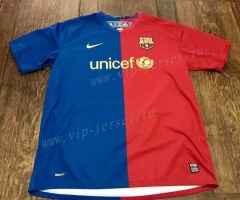
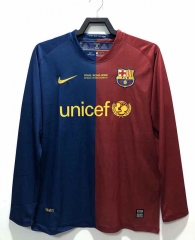
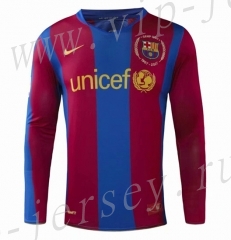
The club’s global reach also reflects its social responsibility. Through the FC Barcelona Foundation, it promotes youth education, gender equality, and humanitarian programs worldwide. The partnership with UNICEF, featured on the club’s shirt for years, set a new standard for socially conscious sponsorships in sports.
The Camp Nou: Temple of Football
For generations, Camp Nou has been more than a stadium — it’s a temple of football emotion. With a capacity of nearly 100,000, it’s Europe’s largest football ground and a sacred place for fans. When the team scores, the roar of “Barça! Barça! Barça!” echoes like thunder.
Currently under renovation and renamed Spotify Camp Nou, the stadium’s modernization reflects the club’s vision to blend history with innovation. It’s not just about seats and screens — it’s about creating an immersive experience that honors Barça’s legacy while embracing the future.
Rebuilding After the Messi Era
When Lionel Messi — arguably the greatest player in football history — left in 2021, it marked the end of an era. For two decades, Messi was not only Barcelona’s icon but also its heartbeat. His departure forced the club to rediscover itself, financially and emotionally.
Under manager Xavi Hernández, Barcelona is once again turning to its roots: youth, philosophy, and patience. Players like Pedri and Gavi represent a new generation built on the same ideals that once made Barça unstoppable — technique, intelligence, and courage. The process is not without challenges, but the club’s resilience is deeply ingrained in its DNA.
The Evolution of the Blaugrana
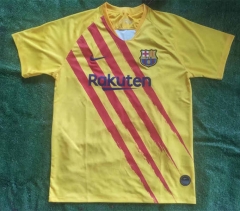
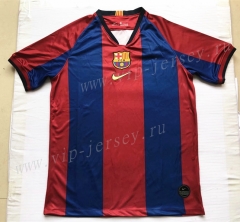
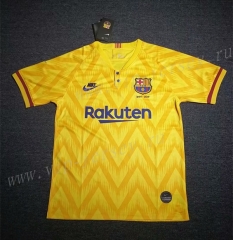
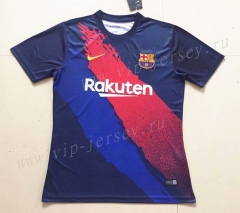
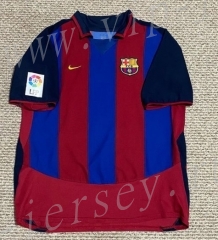
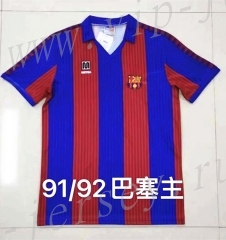
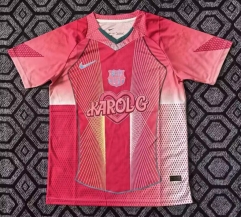
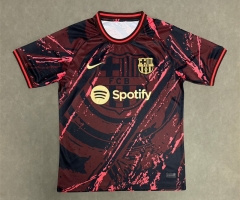
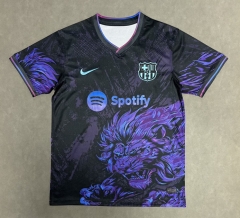
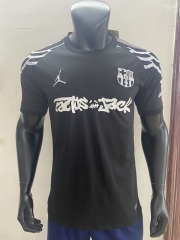
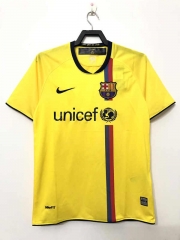
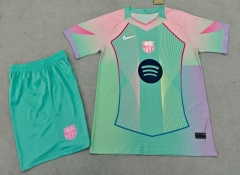
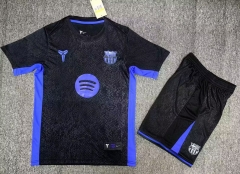
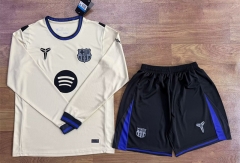
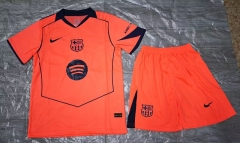
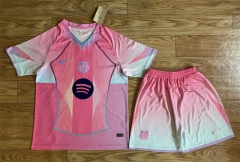
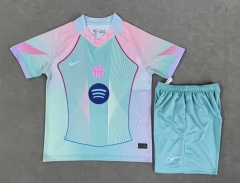
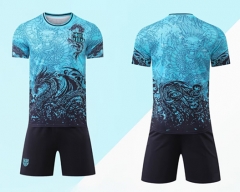
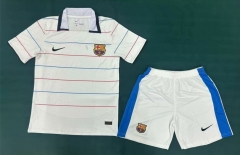
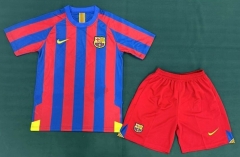
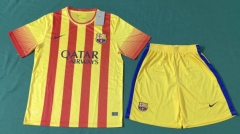
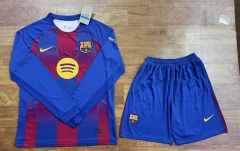
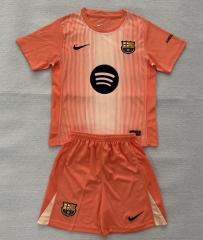
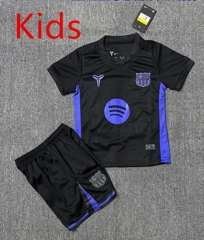
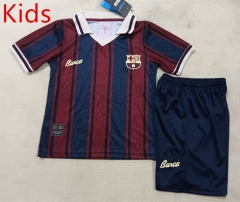
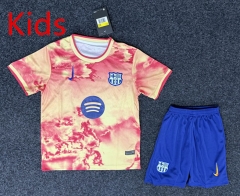
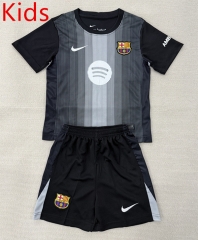
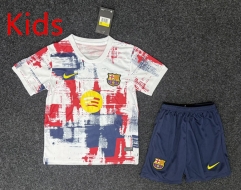
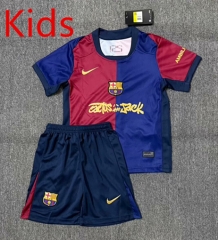
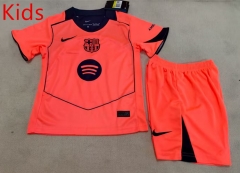
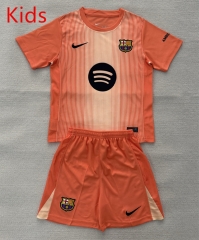
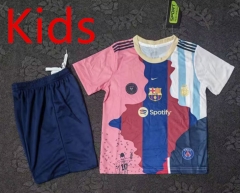
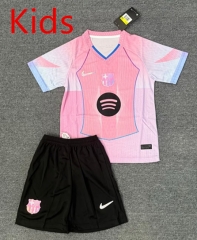
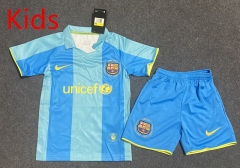
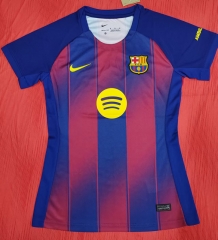
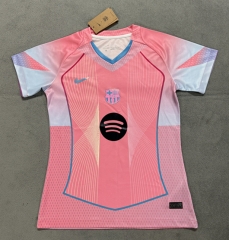
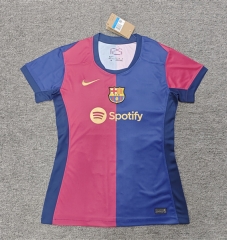
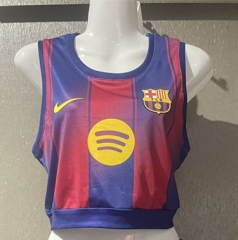
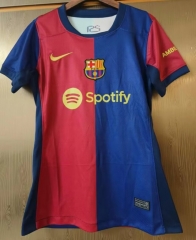
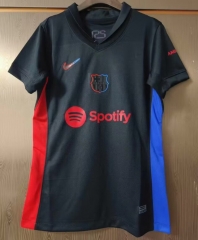
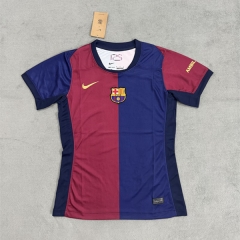
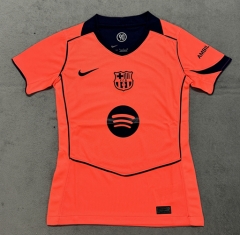
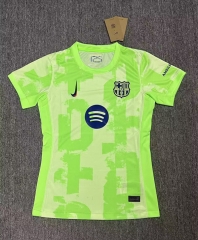
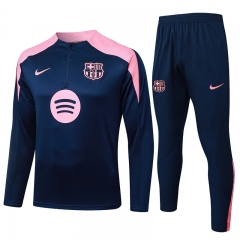
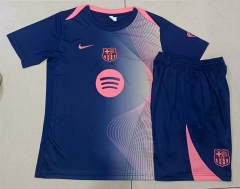
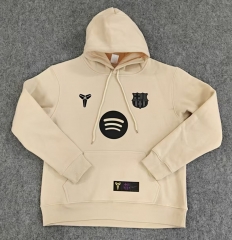
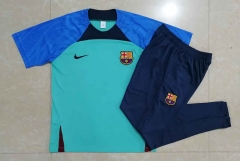
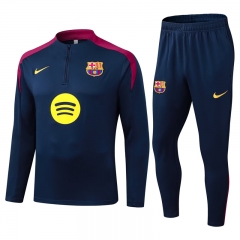
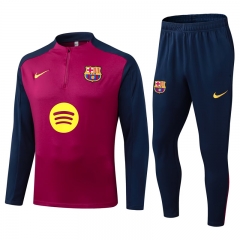
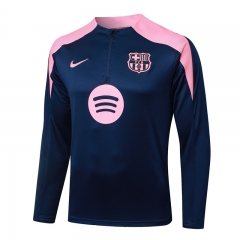
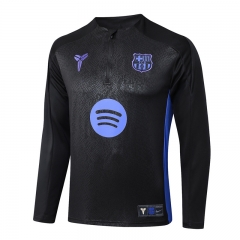
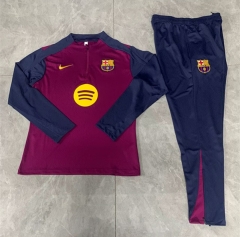
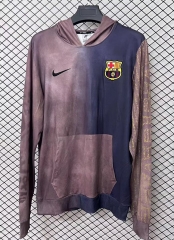
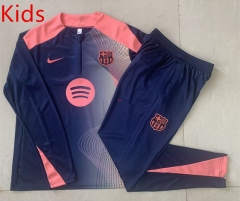
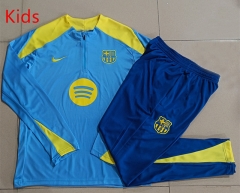
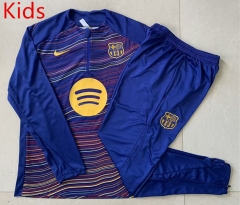
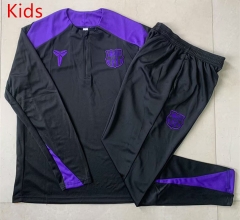
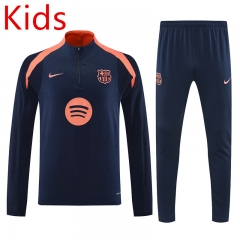
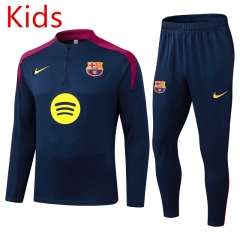
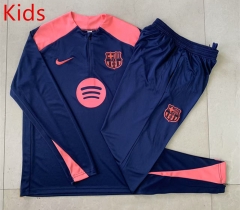
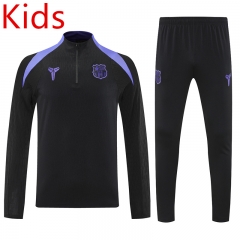
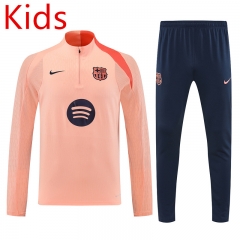
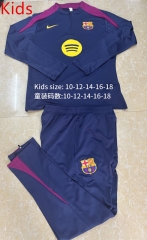
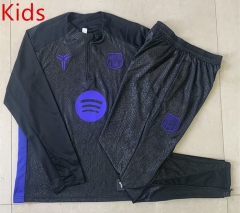
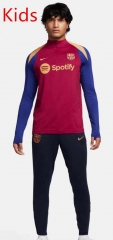
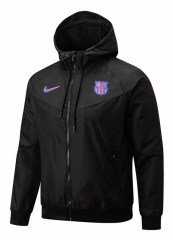
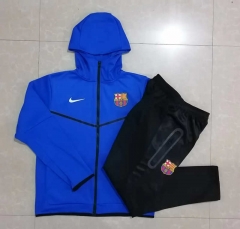
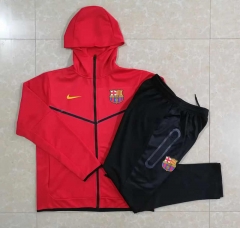
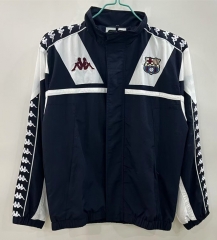
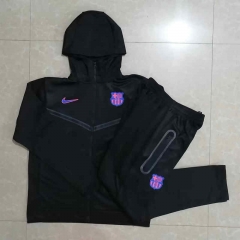
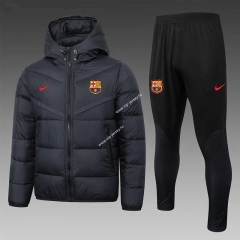
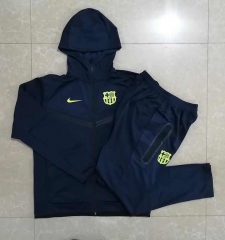
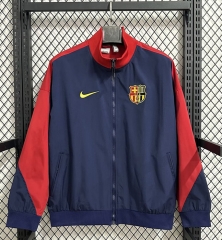
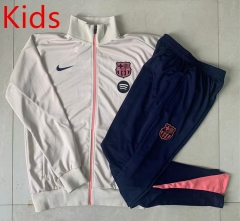
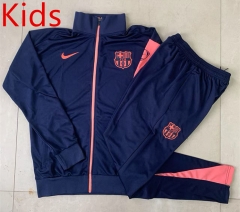
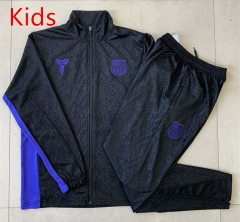
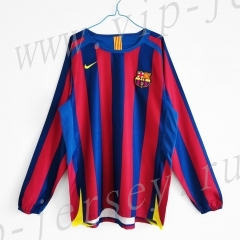
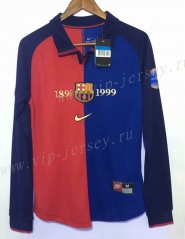
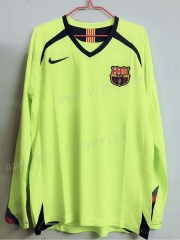
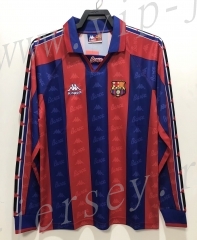
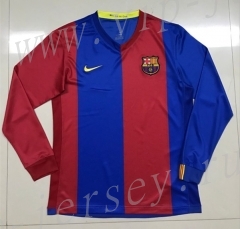
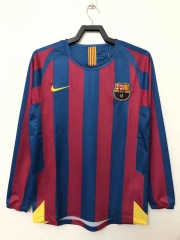
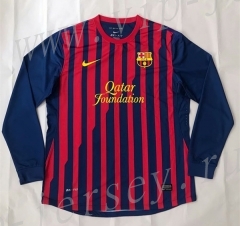
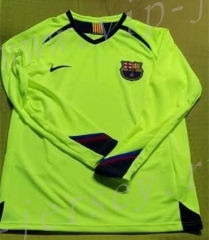
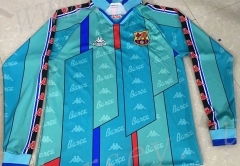
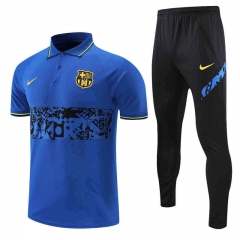
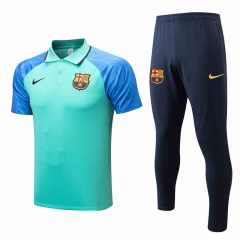
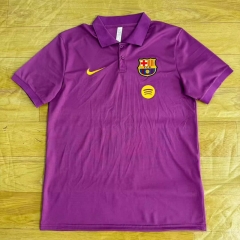
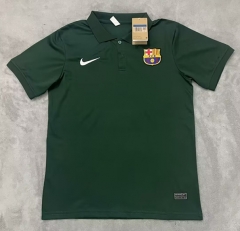
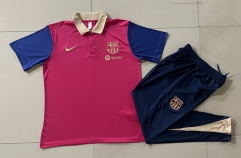
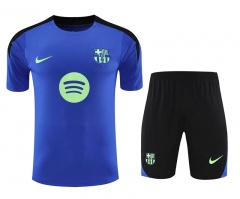
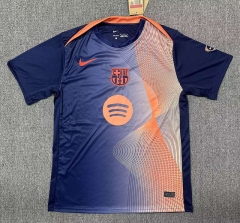
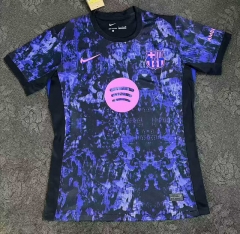
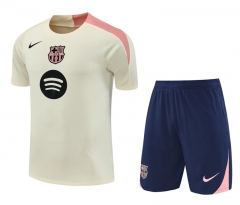
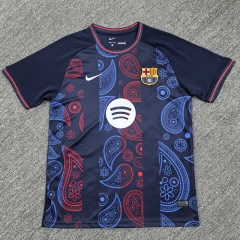
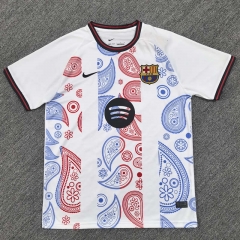
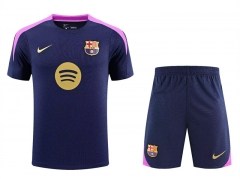
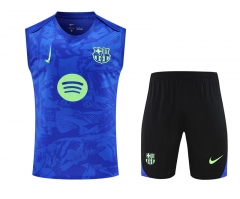
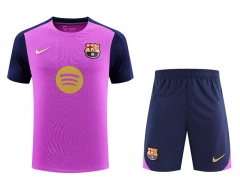
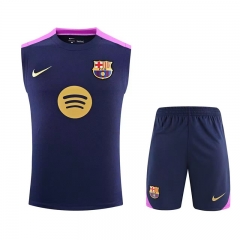
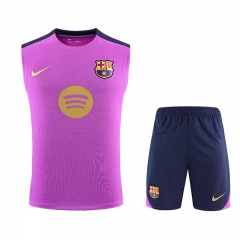
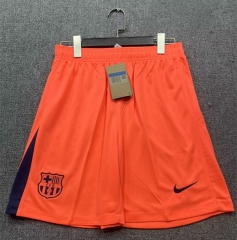
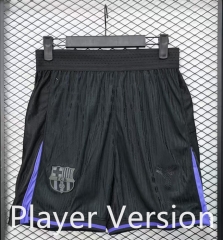
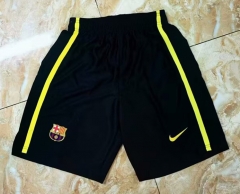
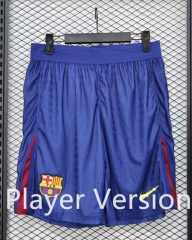
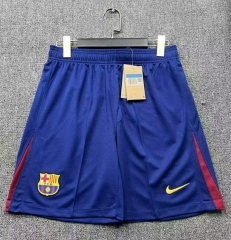
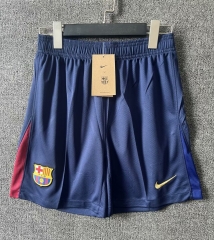
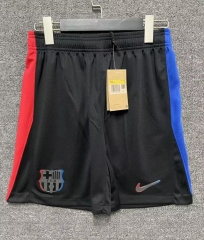
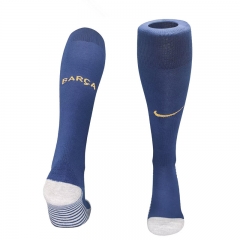
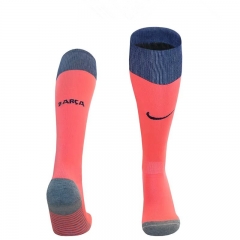
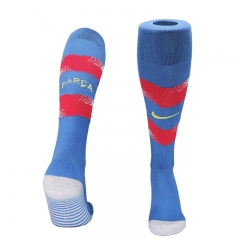
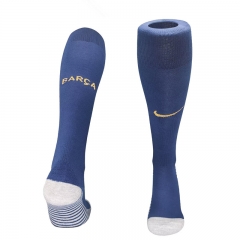
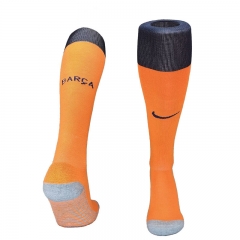
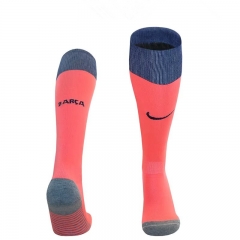
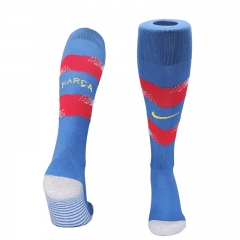
Few jerseys in world football are as iconic as Barcelona’s Blaugrana stripes. Since the club’s early days, the blue and red colors have represented unity and boldness. Over time, Nike and the club have experimented with modern designs — from horizontal stripes and gradients to checkerboard patterns — but the core spirit remains unchanged.
Each shirt tells a story:
The 1992 kit, worn when Barça won its first European Cup under Cruyff.
The 2011 design, marking Guardiola’s treble-winning era.
The 2019 checkerboard pattern, inspired by Barcelona’s city blocks.
And the current designs, blending traditional colors with futuristic elements to symbolize evolution and heritage.
For fans, wearing the Blaugrana is not just supporting a team — it’s embracing a way of life built on creativity, pride, and belonging.
Culture, Community, and Commitment
Beyond the field, Barcelona’s commitment to inclusivity and community is unmatched. The club promotes women’s football through FC Barcelona Femení, one of the most successful women’s teams in Europe. Their UEFA Women’s Champions League victories have made them global icons, inspiring girls worldwide to chase their dreams.
Barcelona’s multisport identity — with basketball, futsal, and handball teams under the same crest — further proves that it’s not just a football club but a universal sporting institution.
Conclusion: More Than a Club, Always
FC Barcelona is more than a football club; it is a philosophy of life. It represents the belief that football should be played with intelligence, courage, and beauty. It stands for culture, for creativity, and for the people who believe that sport can inspire change.
From the chants at Camp Nou to the rhythm of tiki-taka on a quiet Catalan night, Barça remains a celebration of everything football can be — art, emotion, and identity combined. Eras may come and go, but the spirit of Barcelona — proud, passionate, and eternal — will never fade.
 USD
USD EUR
EUR GBP
GBP CAD
CAD AUD
AUD JPY
JPY