Finland
The Finland National Football Team, commonly known as the Huuhkajat (The Eagle-Owls), represents the country in international football under the governance of the Football Association of Finland. For decades, Finland remained on the periphery of European football’s main stage, but the last decade marked a significant rise—fueled by renewed tactical structure, improved youth training, and a generation of players who earned respect in top European leagues.
Today, Finland is recognized not only for its steady performance but also for the unique football culture and visually distinctive Finland jerseys that symbolize the nation’s identity on and off the pitch.
History and Milestones
Early Development
Football began gaining traction in Finland in the early 20th century, but the national team spent most of its early decades struggling to break into the upper tiers of international competition. Despite national interest and a loyal fan base, Finland lacked major tournament appearances and often hovered in qualifying groups without advancing.
Rise in Professional Era
The growth of European club football in the 1990s and 2000s gradually influenced Finnish football development. More Finnish players began joining clubs across England, Germany, and Scandinavia. This exposure elevated the nation’s tactical understanding, physical standards, and competitive mentality
Historic UEFA Euro 2020 Qualification
Finland made history by qualifying for UEFA Euro 2020, becoming the first Finnish squad to reach a major international tournament.
This moment is widely considered a turning point for the country’s football identity. The achievement energised youth development programs, increased domestic league engagement, and elevated global interest in Finland merchandise—particularly the clean, flag-inspired Finland jerseys worn during that era.
Tactical Identity and Playing Style
Defensive Discipline
Finland’s modern football identity is built around an organized defensive structure. The team emphasizes compact lines, coordinated pressing, and disciplined positional play. Defenders are trained to maintain shape rather than chase individual matchups.
Efficient Transitions
Fast, direct transitions form a major part of Finland’s attacking approach. Rather than relying on elaborate build-up sequences, Finland focuses on:
Quick switches into wide channels;Early balls behind the defensive line;
Accelerated movements from midfield
Physicality and Aerial Strength
Finland leverages its physical profile effectively. The team uses robustness in duels, set-piece strength, and structured zonal marking. This makes them difficult to break down even against technically superior opponents.
Team Over Individual
The collective remains Finland’s biggest asset. While star players contribute significantly, the team’s identity revolves around unity, discipline, and system-driven football.
Key Players Across Recent Years
Teemu Pukki
A defining figure of Finland’s modern era, Pukki became widely recognized through his performances in the English leagues. His intelligent positioning, finishing ability, and leadership have made him one of the team’s most iconic players.
Lukas Hrádecký
As one of Europe’s respected goalkeepers, Hrádecký offers stability, communication, and composure under pressure. His presence dramatically improves Finland’s defensive resilience.
Glen Kamara
A highly technical midfielder known for his composure, ball circulation, and tactical awareness. Kamara plays a crucial role in connecting defensive phases with counterattacking movements.
Joel Pohjanpalo
A consistent scorer with strength and aerial power, Pohjanpalo adds dimension to Finland’s attacking options.
These players helped transform Finland from an under-the-radar competitor into a respected European challenge.
Fan Culture and National Identity
Finnish supporters, known for their unity and sportsmanship, create a unique matchday culture. The Eagle-Owl identity represents vision, calm strength, and the deep connection to Finnish nature. Fans often highlight national elements through chants, flags, blue-white face paint, and of course, Finland jerseys, which remain one of the most popular representations of national pride.
Whether during qualification campaigns or friendly fixtures, Finland’s supporters embody a quiet but passionate loyalty that mirrors the country’s broader cultural traits—modesty, resilience, and collective spirit.
Finland Jerseys — Design, Symbolism, and Evolution
Nordic Minimalism in Sportswear
Finland’s football kits are recognized for their clean, crisp, and modern aesthetics. Unlike heavily patterned jerseys seen in some European teams, Finland prioritizes simplicity, geometry, and clarity—rooted in Scandinavian design principles.
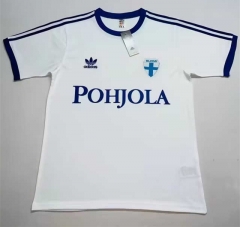
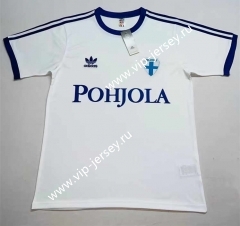
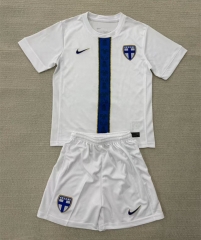
Traditional Home Jersey
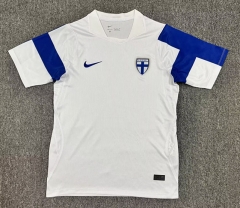
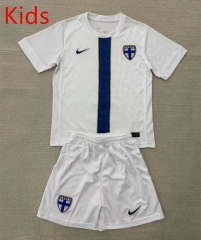
The Finland home kit usually features:
A white base as the primary canvas
Blue accents representing the Finnish flag
Structured or diagonal blue elements that echo national symbolism
The result is a visually striking but minimalist design that reflects Finland’s cultural identity—calm, precise, and understated.
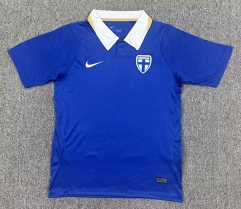
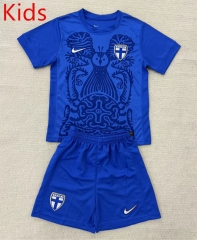
Away Jersey
Finland’s away shirts often embrace:
Deep navy or royal blue;Gradients, stripes, or pattern elements inspired by winter landscapes, lakes, or northern lights
These designs make the away kit a favorite among collectors. The darker tones add versatility for fans who want a jersey suitable for casual wear beyond matchday.
Performance Technology
Modern Finland jerseys use advanced fabric technologies, often incorporating:
Lightweight knit construction;Ventilation engineering;Sweat-wicking fibers;Ergonomic paneling for dynamic movement
While maintaining comfort and performance, the jerseys still prioritize their signature Nordic simplicity.
Symbolic Details
Finland’s kits often include subtle national touches:Coat of arms inside the collar
“Suomi” typography;Sleek blue cross motifs;Elements referencing Finnish nature and heritage
These features enhance the emotional connection between fans and the team.
Why Finland Jerseys Appeal to Fans Worldwide
1. Aesthetic Versatility
The clean white-and-blue palette makes Finland jerseys easy to style, appealing to fans, collectors, and casual wearers looking for a modern, minimal football aesthetic.
2. Rising Football Identity
As Finland’s presence in international tournaments grows, so does global interest in their kits. The combination of a compelling underdog story and elegant jersey design attracts fans beyond Finnish borders.
3. Cultural and Symbolic Value
Finland jerseys represent national pride, cultural minimalism, and the calm strength associated with Finnish identity. The jersey becomes more than sportswear—it's a cultural statement.
4. Collector Appeal
Special edition and tournament jerseys—especially those worn during Finland’s first major championship appearance—hold significant collector value.
Finland’s Role in Modern European Football
While Finland may not be a traditional powerhouse, the team plays an important role in the evolving competitive landscape of European football. They demonstrate how structured development, strong culture, and identifiable branding—supported by iconic Finland jerseys—can elevate a nation’s presence.
The focus on long-term player development, tactical discipline, and system cohesion provides a blueprint for smaller European nations seeking upward mobility.
Conclusion
The Finland National Football Team embodies resilience, discipline, and a strong national identity rooted in Nordic culture. Their journey—from decades of qualification struggles to achieving historic milestones—reflects growth driven by teamwork and determination.
At the heart of this identity is the Finland jersey, a symbol of pride, minimalism, and modern design that resonates deeply with supporters. Whether viewed through the lens of fashion, culture, or sport, Finland’s kits and team narrative continue to gain recognition across the global football community.
 USD
USD EUR
EUR GBP
GBP CAD
CAD AUD
AUD JPY
JPY