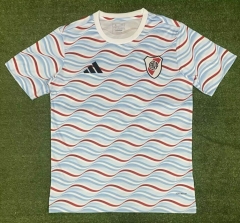
River Plate
Founded in 1901 in the La Boca neighborhood of Buenos Aires, Club Atlético River Plate is more than just a football club—it’s an institution woven into the identity of Argentina. Known by their nickname Los Millonarios (“The Millionaires”), River Plate’s history is filled with triumphs, rivalries, and unforgettable legends.
From their early amateur beginnings to becoming one of the most successful football clubs in South America, River Plate has always stood for attacking brilliance, technical mastery, and relentless ambition. The club’s philosophy is built on la elegancia del fútbol argentino—a footballing elegance that blends artistry with tactical discipline.
Throughout its journey, River Plate has symbolized hope and pride for millions of Argentines. Generations have grown up idolizing the red sash, which has become one of the most recognizable symbols in world football.
The Monumental–River’s Iconic Fortress
No discussion about River Plate is complete without mentioning its majestic home: Estadio Monumental Antonio Vespucio Liberti. Located in the Núñez district of Buenos Aires, the Monumental Stadium is not only the largest stadium in Argentina—with a capacity exceeding 83,000 spectators—but also a national landmark of football culture.
It was here that Argentina lifted its first FIFA World Cup trophy in 1978, and it continues to host the national team’s most important matches. Every River Plate home game transforms the Monumental into a thunderous sea of red and white. Fans wave flags, light flares, and chant songs that shake the stands—creating one of the most electrifying atmospheres in global football.
To River fans, the Monumental is not merely a place; it’s sacred ground. It carries memories of legendary victories, emotional farewells, and countless championship celebrations.
The Golden Eras of River Plate
River Plate’s trophy cabinet tells the story of over 38 Primera División titles, four Copa Libertadores crowns, and one Intercontinental Cup. But behind these numbers lies a timeline of evolution and dominance.
The 1940s–“La Máquina” Era:
One of the most revolutionary teams in football history, “La Máquina” (The Machine) consisted of Muñoz, Moreno, Pedernera, Labruna, and Loustau. Their fluid attacking play and tactical intelligence set the foundation for modern football.
The 1980s–Global Glory:
Under coach Héctor Veira, River Plate conquered South America and the world, winning the 1986 Copa Libertadores and the Intercontinental Cup, led by legends like Norberto Alonso and Antonio Alzamendi.
The Gallardo Revolution (2014–2022):
Marcelo Gallardo, a former River player turned manager, ushered in a golden modern era. Under his guidance, River won two Copa Libertadores (2015, 2018) and numerous domestic trophies. The unforgettable 2018 victory against Soca Juniors in Madrid remains one of the greatest moments in football history.
Each era has reinforced River Plate’s reputation as a symbol of resilience, innovation, and class.
The Eternal Rivalry–River vs Boca Juniors
Few rivalries in the world can match the Superclásico—the epic confrontation between River Plate and Boca Juniors. Born from geographic roots (both clubs originated in La Boca), the rivalry transcends sport. It represents a clash of identities, social classes, and emotions.
When River and Boca face off, Argentina stops. Streets empty, families split, and televisions light up across the country. Inside the stadiums, the atmosphere is a spectacle of color, songs, and raw emotion.
For River Plate, the 2018 Copa Libertadores Final victory over Boca was more than a title—it was redemption, history, and pride all in one. Played in Madrid, the match ended with River’s triumph and became a defining chapter in the club’s modern legacy.
The Superclásico isn’t just a game—it’s a celebration of passion, identity, and the eternal heartbeat of Argentine football.
Youth Development–The River Philosophy
River Plate’s academy is one of the most productive in world football. Known for developing technically gifted and intelligent players, the club’s youth system has given rise to countless global stars.
Notable alumni include:
Alfredo Di Stéfano–The legendary forward who redefined football at Real Madrid.
Ariel Ortega – The “Little Donkey,” known for his creativity and heart.
Pablo Aimar and Javier Saviola–The duo that inspired a generation with flair and vision.
Gonzalo Higuaín, Erik Lamela, and Julián Álvarez–modern ambassadors of River’s excellence.
The club’s developmental philosophy, often described as “fútbol con identidad,” emphasizes technical ability, tactical understanding, and mental strength. River players are taught not just to win—but to play beautifully and with intelligence.
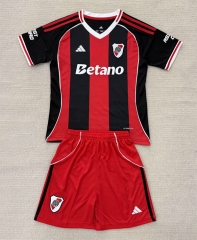
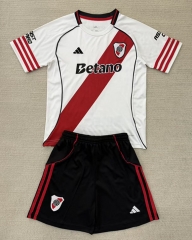
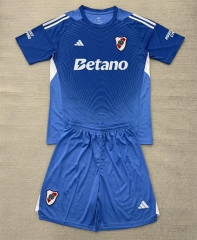
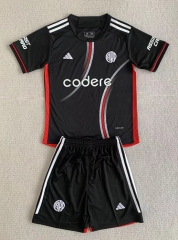
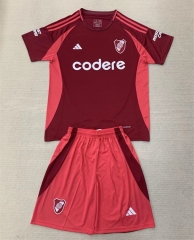
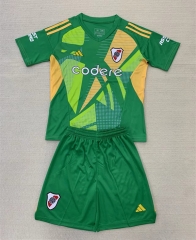
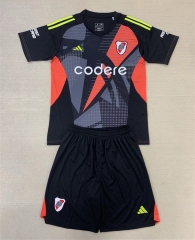
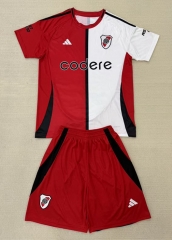
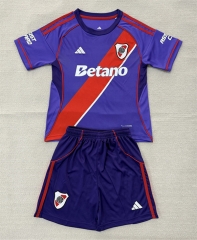
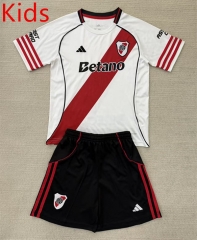
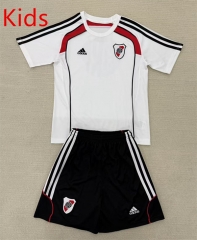
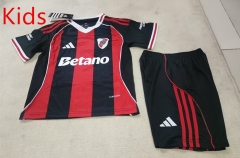
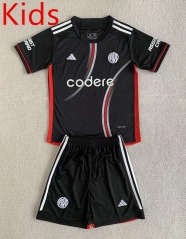
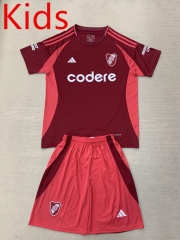
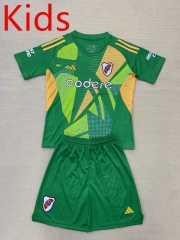
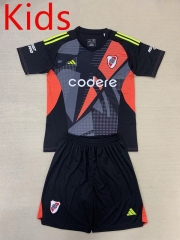
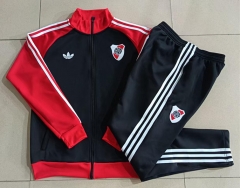
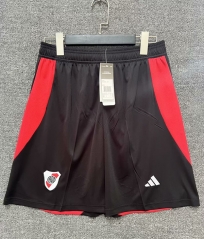
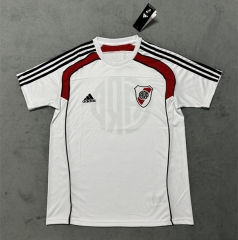
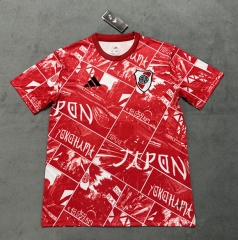
River Plate Jerseys -A Timeless Symbol of Pride
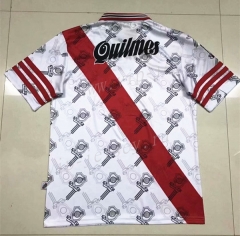
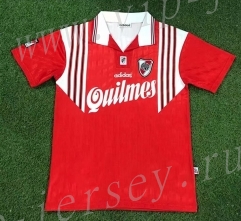
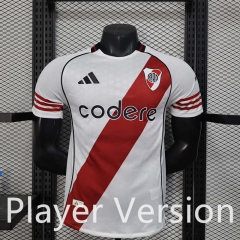
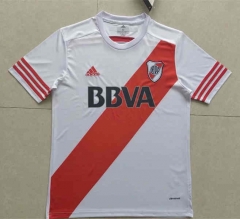
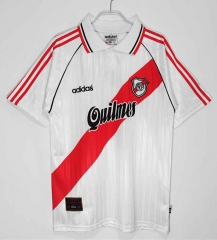
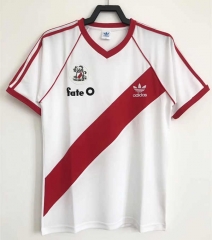
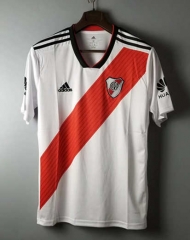
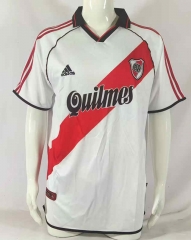
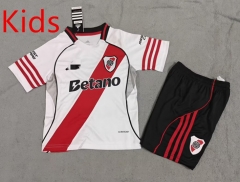
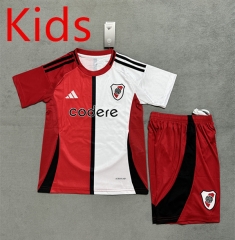
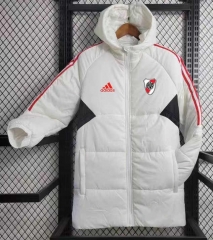
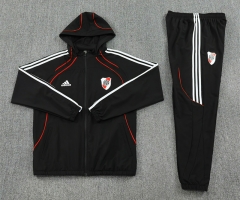
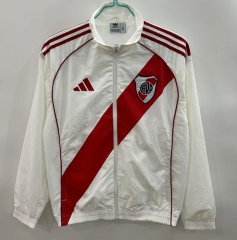
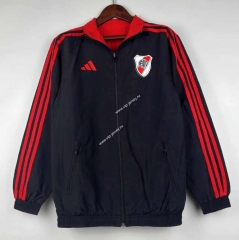
Perhaps no football jersey in the world is as iconic as the River Plate jersey. The simple white shirt, adorned with a red diagonal sash, is instantly recognizable and steeped in tradition.
Origins of the Sash:
The story goes that the red sash was added in the early 1900s to distinguish River’s kit from others—and it became a symbol of pride and elegance.
Design Evolution:
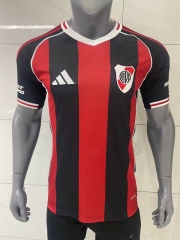
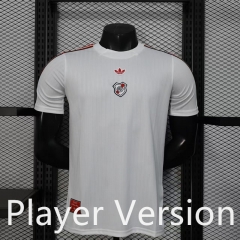
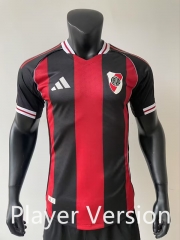
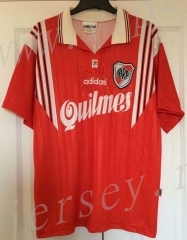
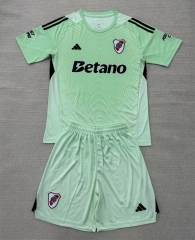
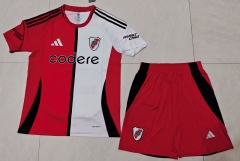
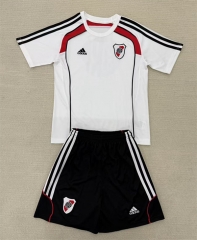
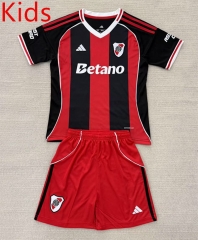
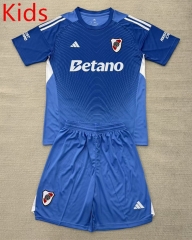
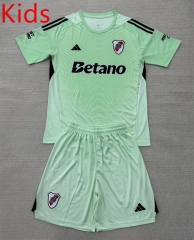
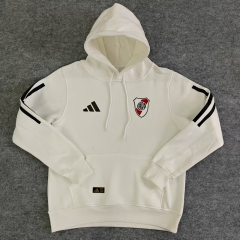
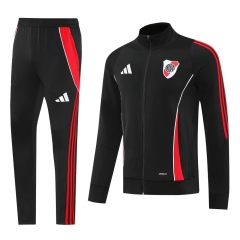
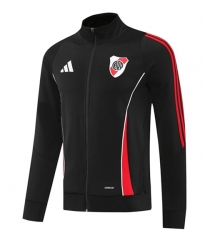
Over the decades, Adidas—River’s long-time kit supplier—has refined the design, blending classic simplicity with modern aesthetics. Special editions, such as anniversary jerseys and Copa Libertadores versions, often pay tribute to the club’s heritage while embracing innovation.
Meaning Beyond Fashion:
For fans, wearing a River Plate jersey isn’t about supporting a team—it’s a declaration of identity. Each jersey represents a chapter in the club’s saga: the sweat of victories, the tears of defeat, and the unbreakable bond between players and supporters.
Collectors and fans across the globe cherish River jerseys not only for their design but for what they represent: the spirit of Argentine football itself.
The Fans – Los Millonarios’ Endless Devotion
River Plate’s supporters, known as Los Millonarios, are among the most passionate fanbases in the world. On match days, the streets of Buenos Aires transform into a moving river of red and white. Songs like “Yo soy de River” echo through the city, and fireworks light up the sky above the Monumental.
What sets River fans apart is their unwavering loyalty. Whether in triumph or tragedy—through relegation in 2011 or continental glory in 2018—their devotion never wavered. The phrase “El más grande, lejos” (The greatest, by far) isn’t just a slogan; it’s a belief that runs through every fan’s veins.
River Plate’s culture thrives on unity, resilience, and family. For millions, being a River supporter is a lifelong inheritance—passed down from parents to children as a sacred tradition.
Global Recognition and Cultural Impact
River Plate isn’t just an Argentine powerhouse—it’s a global brand. The club’s style of play, youth development model, and passionate fan culture have inspired teams and supporters across continents.
With over 20 million fans worldwide, River’s reach extends through social media, international tours, and global collaborations with Adidas and sponsors. Its players have graced Europe’s top leagues, carrying River’s identity to stadiums in Spain, Italy, and England.
The club’s social and cultural initiatives—including education programs, community sports, and charity work—show that River Plate’s mission goes far beyond football. It embodies the values of leadership, humility, and social responsibility.
Why River Plate Represents the Spirit of Argentina
River Plate mirrors Argentina’s story: passionate, proud, and unyielding. Its victories are national celebrations; its defeats are shared heartbreaks. Through changing eras, the club has remained true to its principles—courage, beauty, and unity.
From La Máquina to Gallardo’s Gallant Warriors, from local heroes to global stars, River Plate has built an empire of emotion and excellence. Its legacy continues to grow, inspiring not just football fans, but anyone who believes in perseverance and greatness.
Conclusion–More Than a Club, a Way of Life
To understand River Plate is to understand the soul of Argentine football. The red sash, the Monumental, the songs, the tears—all form part of a legacy that transcends generations.
For fans, owning a River Plate jersey is not simply about supporting a team—it’s about carrying a century of history on your shoulders. It’s about pride, loyalty, and a love that never fades.
River Plate is more than football.
It’s emotion. It’s identity. It’s the heartbeat of Argentina.
 USD
USD EUR
EUR GBP
GBP CAD
CAD AUD
AUD JPY
JPY