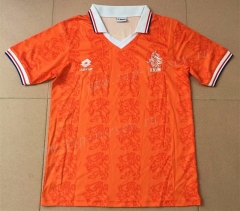
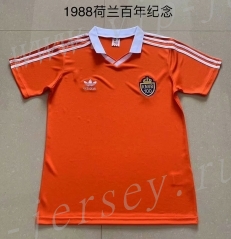
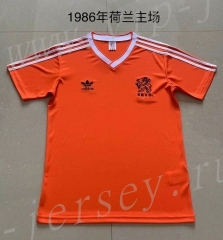
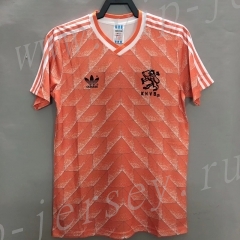
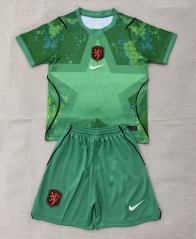
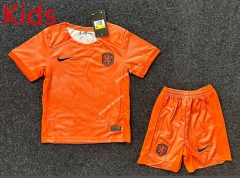
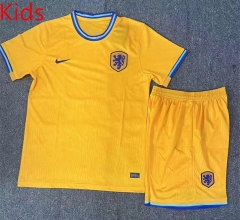
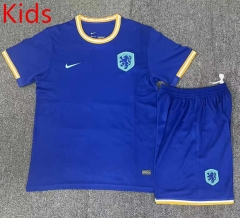
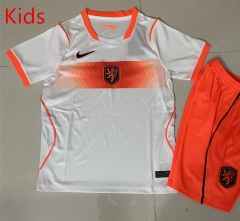
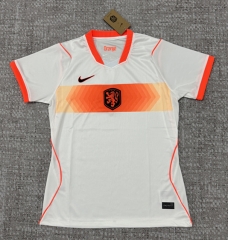
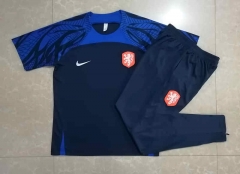
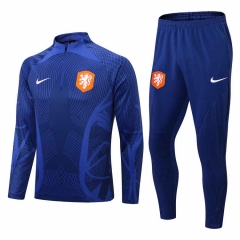
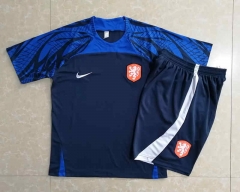
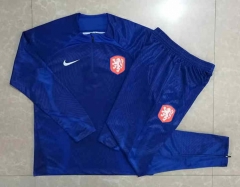
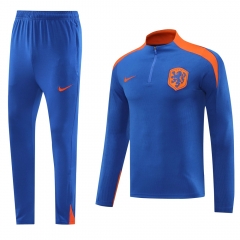
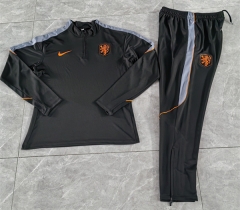
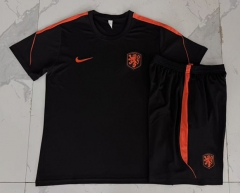
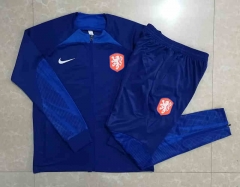
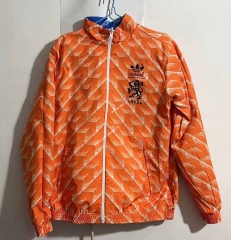
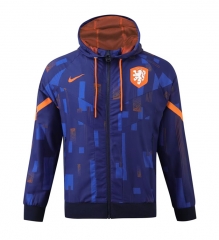
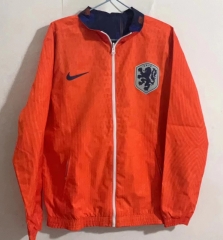
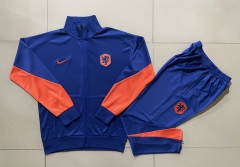
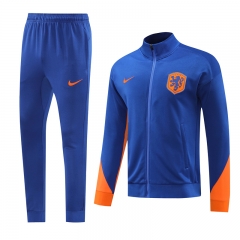
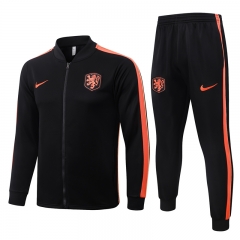
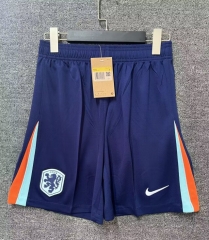
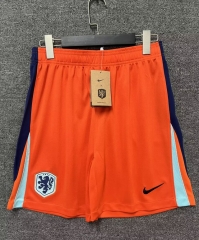
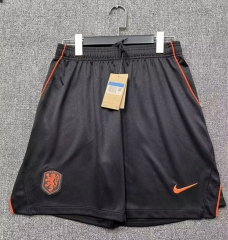
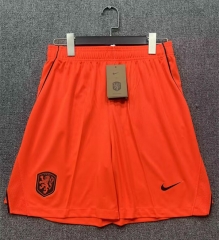
Netherlands
The Netherlands national football team, affectionately known as “Oranje”, is widely regarded as one of the most innovative and influential teams in international football. Renowned for its attacking philosophy, tactical intelligence, and technical brilliance, the Oranje has inspired countless players and fans worldwide. More than a football team, it represents Dutch culture, national pride, and a rich sporting heritage that spans more than a century.
Overview of the Netherlands National Team
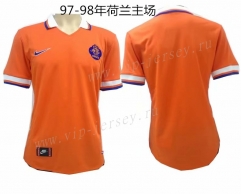
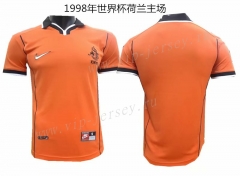
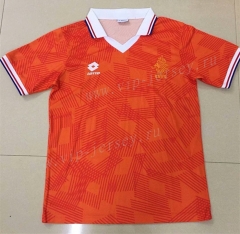
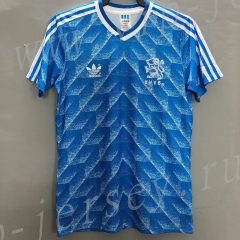
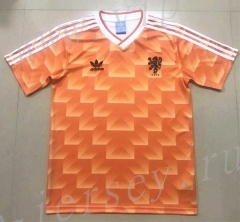
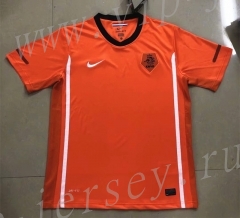
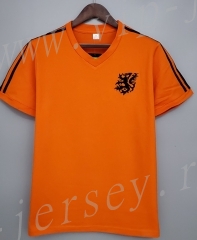
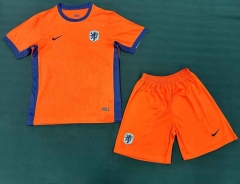
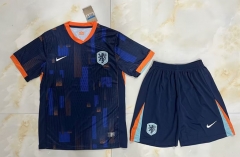
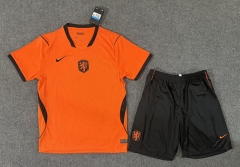
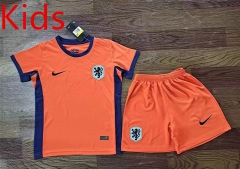
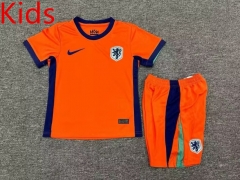
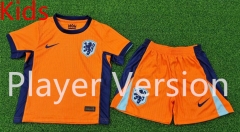
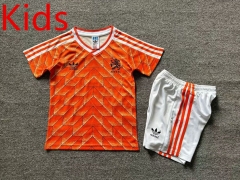
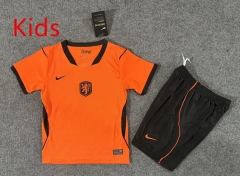
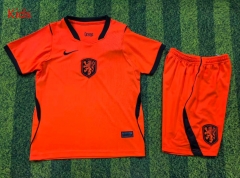
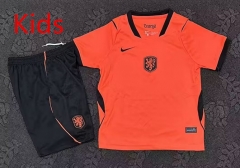
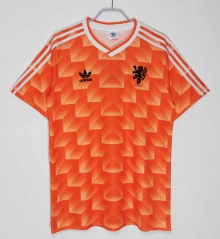
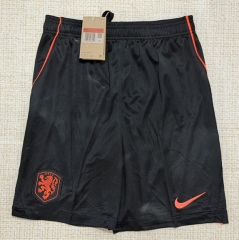
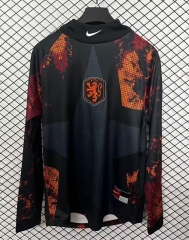
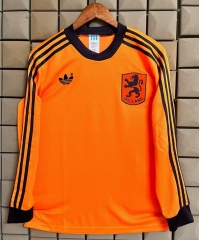
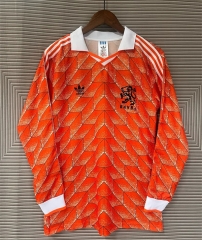
Founded in 1905, the Netherlands national team has established itself as a consistent presence in international football. With a distinctive orange kit and a style defined by creativity and fluidity, the Oranje has played a central role in shaping modern football. Competing in multiple FIFA World Cups, UEFA European Championships, and UEFA Nations League tournaments, the team has earned global recognition for its attacking style, technical skill, and commitment to Total Football philosophy.
The Netherlands’ footballing philosophy emphasizes teamwork, ball possession, and strategic adaptability, ensuring that each player contributes both offensively and defensively. This approach has become a hallmark of Dutch football and a key reason for its enduring influence in the sport.
Historical Achievements and Milestones
The history of the Netherlands national team is filled with both triumphs and near misses. The team reached the FIFA World Cup finals three times: in 1974, 1978, and 2010, finishing as runners-up on each occasion. Despite narrowly missing the ultimate prize, these performances cemented the Oranje’s reputation for technical mastery and innovative tactics.
1974 FIFA World Cup: The Netherlands showcased Total Football under coach Rinus Michels, with Johan Cruyff leading the charge. The team dazzled fans with fluid positional play and attacking dominance but ultimately lost to West Germany 2-1 in the final.
1978 FIFA World Cup: The Oranje reached the final again, facing Argentina. Despite a 3-1 defeat in extra time, the Netherlands demonstrated resilience and tactical sophistication throughout the tournament.
1988 UEFA European Championship: The Netherlands claimed its first major trophy, defeating the Soviet Union 2-0 in the final. Marco van Basten’s unforgettable volley remains one of football’s most iconic goals.
2010 FIFA World Cup: In South Africa, the Netherlands reached the final for the third time, facing Spain. Though narrowly defeated 1-0 in extra time, modern stars like Wesley Sneijder and Arjen Robben carried the Oranje legacy forward.
These milestones reflect not only achievements but also the enduring impact of Dutch football philosophy on the international stage.
Football Philosophy: Total Football and Tactical Innovation
The Netherlands is synonymous with Total Football, a revolutionary system that emphasizes positional fluidity, collective responsibility, and attacking creativity. Introduced in the 1970s, Total Football allows every player to interchange positions while maintaining team balance and control.
Key aspects of Total Football include:
Positional versatility: Players seamlessly switch roles, adapting to the flow of the game.Ball possession and movement: The team focuses on controlling the ball through precise passing and spatial awareness.Attacking mindset: The Oranje consistently prioritizes offensive opportunities while maintaining defensive stability.Legendary figures like Johan Cruyff, Ruud Gullit, and Marco van Basten personified this philosophy. Modern Dutch teams continue to build on these principles, blending traditional tactics with contemporary strategies and analytics to maintain competitive advantage.
Legendary Players Through the Decades
The Netherlands has produced some of football’s most iconic players, each leaving a unique mark on the Oranje legacy:Johan Cruyff: Revolutionized the game with intelligence, vision, and creativity. Cruyff’s iconic number 14 jersey symbolized the essence of Dutch football.
Marco van Basten: Celebrated for his technical skill and breathtaking goals, Van Basten defined elegance and precision on the field.Ruud Gullit: A versatile and powerful presence, Gullit’s leadership and charisma inspired teammates and fans alike.Dennis Bergkamp: Known for his calm style and technical mastery, Bergkamp’s creativity made him one of the most respected forwards in football history.Modern Stars: Players like Virgil van Dijk, Frenkie de Jong, Memphis Depay, and Cody Gakpo continue to represent Dutch excellence, combining defensive solidity, midfield intelligence, and attacking flair.Each player’s contribution extends beyond individual accolades, reflecting the team-first mentality and innovative tactics that define Dutch football.
Rivalries and Key Matches
The Netherlands has developed intense rivalries with several European teams, creating some of the most memorable moments in football history:
Germany: Known as the “Derby of Europe,” matches against Germany are fiercely contested, with historical significance dating back to World Cup clashes in the 1970s and 1980s.
Belgium: Matches against Belgium, the “Low Countries Derby,” showcase regional pride and competitive balance.
Spain & Italy: High-stakes encounters in World Cups and European Championships have produced tactical battles that highlight Dutch ingenuity and skill.
These rivalries not only fuel fan enthusiasm but also push the Oranje to continually refine tactics, demonstrating the team’s adaptability and mental resilience.
Youth Development and Dutch Football Philosophy
The Netherlands’ influence extends beyond the senior national team. Clubs like AFC Ajax, PSV Eindhoven, and Feyenoord have cultivated world-class talent through robust youth academies emphasizing technical skill, tactical awareness, and versatility.
AFC Ajax Youth Academy: Famous for producing Cruyff, Van Basten, and current stars, Ajax emphasizes a philosophy of possession-based, attacking football.
Focus on Development: Dutch youth programs prioritize creativity, decision-making, and adaptability, preparing players to excel in multiple positions and systems.
This commitment to development ensures a steady stream of talent capable of maintaining the Oranje’s competitive edge.
Fan Culture and Global Influence
Dutch football fans are renowned for their passion, creativity, and devotion. During major tournaments, supporters engage in coordinated displays, fan marches, and social media campaigns to celebrate the Oranje. Cities across the Netherlands, including Amsterdam and Rotterdam, become hubs of fan activity, creating a festive atmosphere that unites locals and visitors alike.
The Oranje also enjoy a global following. Fans across Europe, Asia, and the Americas proudly wear the orange, share match commentary, and participate in online communities. The Netherlands’ football philosophy has influenced coaching, youth development, and tactical thinking worldwide, solidifying the Oranje’s place in football culture.
Modern Era: Style, Strategy, and Emerging Talents
In recent years, the Netherlands has successfully blended experienced leadership with youthful innovation.Defensive Stability: Virgil van Dijk provides strength, leadership, and composure at the back.Creative Midfield: Frenkie de Jong orchestrates play with vision and intelligence.
Attacking Threats: Memphis Depay and Cody Gakpo deliver pace, skill, and scoring ability.
Coaches balance traditional Dutch attacking philosophy with modern analytics, video review, and opponent-specific strategies. This approach ensures that the Oranje remain competitive on the global stage, capable of challenging the world’s top teams.
Impact on Global Football
The Netherlands’ influence transcends national borders. Total Football has inspired clubs and coaches worldwide, including Barcelona under Johan Cruyff’s guidance. Dutch players are often celebrated for their technical excellence, tactical awareness, and professional mentality. International football continues to benefit from Dutch innovation, both on and off the field.
Future Prospects and Expectations
Looking ahead, the Oranje aim to build on their heritage while embracing modern football’s demands. Upcoming tournaments will showcase a mix of seasoned stars and promising talents, with young players like Jurrien Timber, Noa Lang, and others expected to make significant contributions. The team’s emphasis on youth development, tactical discipline, and attacking philosophy positions the Netherlands as a perennial contender on the world stage.
Conclusion: A Legacy of Excellence
The Netherlands national football team is more than a collection of players—it is a symbol of innovation, style, and enduring excellence. From legendary figures like Johan Cruyff to modern stars like Virgil van Dijk, the Oranje have shaped football history while inspiring fans and players worldwide. With a rich tactical philosophy, a vibrant fan culture, and a commitment to nurturing talent, the Netherlands continues to leave an indelible mark on international football, ensuring that the Oranje legacy will endure for generations to come.
 USD
USD EUR
EUR GBP
GBP CAD
CAD AUD
AUD JPY
JPY