Sevilla
Seville, the capital of Spain’s Andalusia region, is a city known for its vibrant flamenco culture, historic architecture, and passionate lifestyle. Yet beyond its cultural landmarks, Seville has made a lasting mark in the world of football. Sevilla FC, representing the city in Spain’s top flight, is a club steeped in tradition, resilience, and ambition. With a rich history, a devoted fan base, and remarkable achievements on both domestic and European stages, Sevilla FC stands as one of Spain’s most respected football institutions.
The Origins and Early History of Sevilla FC
Founded in 1890, Sevilla FC is among the oldest football clubs in Spain. Its origins trace back to a group of English expatriates and local enthusiasts who were passionate about introducing football to Andalusia. The club quickly became a focal point of local sports culture and laid the groundwork for football in southern Spain.
In its early decades, Sevilla participated primarily in regional competitions, gradually making its mark on the national stage. The 1930s saw the club begin to compete in the newly established La Liga, setting the foundation for decades of growth and competitive play. Early successes were modest, but the club’s spirit and fan support ensured it remained a significant presence in Spanish football.
Milestones and Achievements Through the Decades
Sevilla FC’s journey through history can be divided into several key eras:
Foundation to Mid-20th Century (1890–1950s)
During this period, the club established its identity, built its first stadium, and cultivated a loyal following. While league titles were scarce, Sevilla’s consistent performances in regional cups and early La Liga seasons set the stage for future success.
Domestic Growth Era (1960s–1990s)
The club solidified its presence in La Liga and made strides in the Copa del Rey, Spain’s premier domestic cup competition. These decades also saw Sevilla begin to professionalize its youth development system, which would become crucial for long-term success.
European Emergence (2000s–Present)
The 21st century marked Sevilla’s rise on the European stage. The club became synonymous with the UEFA Europa League, winning multiple titles and earning a reputation as Europe’s “specialist” in the competition. Under the guidance of coaches such as Joaquín Caparrós, Unai Emery, and Jorge Sampaoli, Sevilla developed tactical sophistication and mental resilience that translated into consistent success both at home and abroad.
Home Stadium: Ramón Sánchez Pizjuán
Sevilla FC plays its home matches at the iconic Ramón Sánchez Pizjuán Stadium, which can host over 43,000 fans. Beyond its capacity, the stadium embodies the spirit of the club and its supporters. Matchdays are characterized by the roar of red-and-white flags, passionate chants, and an electric atmosphere that gives Sevilla FC a formidable home advantage. The stadium has witnessed countless historic moments, from dramatic cup finals to unforgettable European clashes.
Fan Culture and Community Engagement
Sevilla FC’s fan base is one of the most devoted in Spain. Fans, locally known as Sevillistas, maintain a deep emotional connection to the club. The supporters are renowned for their vibrant pre-match rituals, stadium chants, and unwavering loyalty. Beyond football, the club’s community initiatives and youth programs help strengthen ties between Sevilla FC and the city, making it an essential part of local identity.
Kit and Club Identity
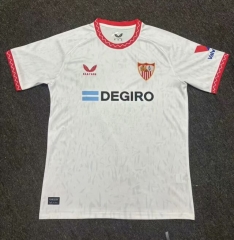
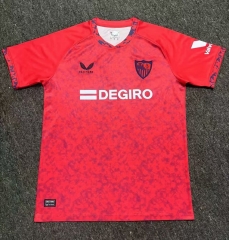
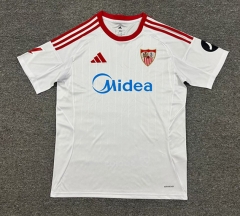
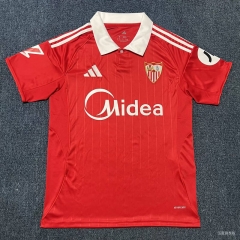
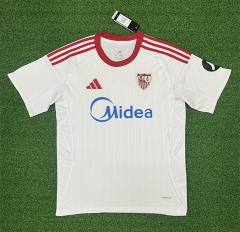
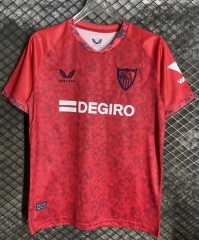
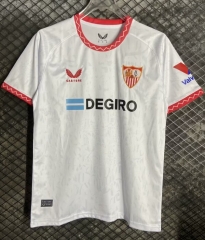
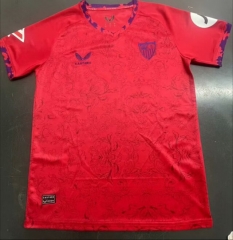
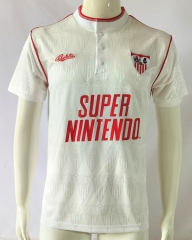
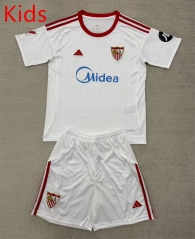
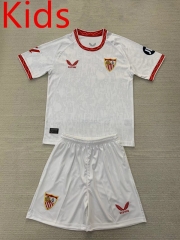
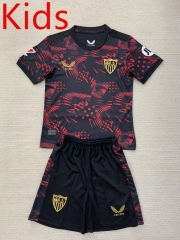
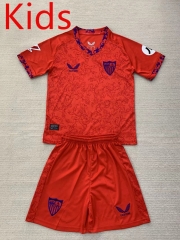
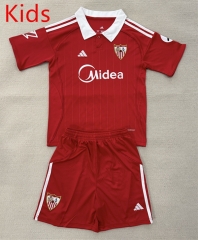
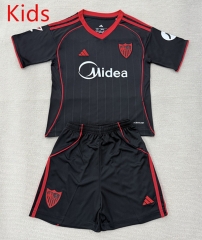
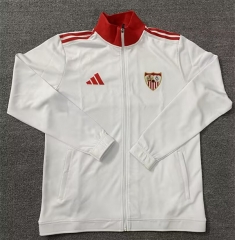
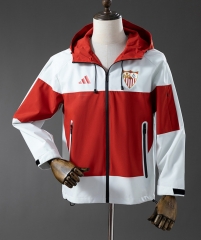
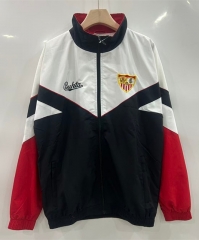
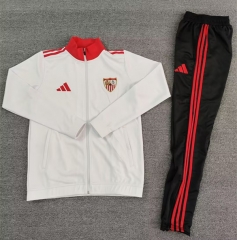
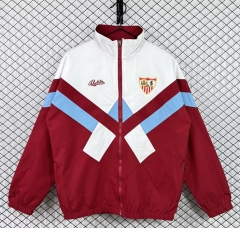
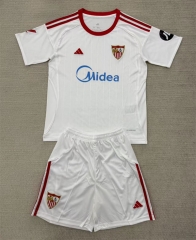
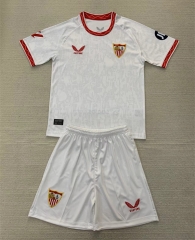
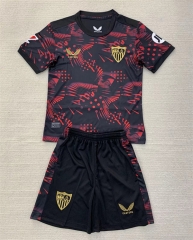
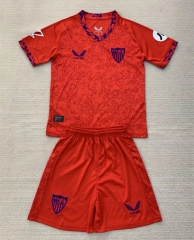
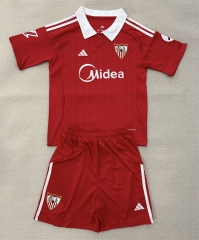
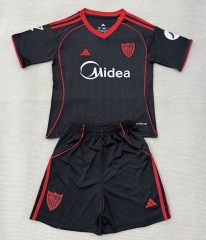
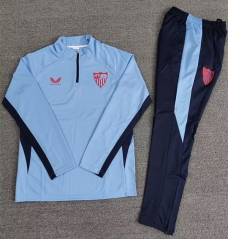
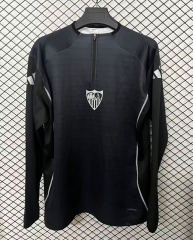
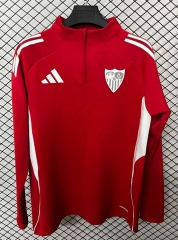
The team’s red-and-white striped jerseys have become symbolic of Sevilla FC’s identity. Over the years, the club has maintained a tradition of clean, distinctive kit designs that reflect its heritage and the fiery passion of Andalusia. While modern iterations incorporate contemporary designs and materials, the iconic red-and-white combination remains constant, representing the club’s history, pride, and unity on the pitch.
Tactical Philosophy and Playing Style
Sevilla FC has long been recognized for combining attacking dynamism with defensive organization. The team emphasizes midfield control, quick transitions, and exploiting wing play to create scoring opportunities. Defensively, Sevilla relies on cohesive positioning, disciplined marking, and rapid counter-pressing.
The tactical approach has evolved with different managerial philosophies:
Joaquín Caparrós Era: Focused on youth development and team cohesion, laying the foundations for tactical consistency.
Unai Emery Era: Emphasized strategic flexibility, disciplined pressing, and European success, particularly in the UEFA Europa League.
Jorge Sampaoli Era: Introduced high-intensity pressing and attacking fluidity, giving the team an aggressive edge in La Liga.
This adaptability allows Sevilla to remain competitive against both domestic and European opponents.
Youth Academy and Player Development
Sevilla FC’s commitment to youth development has been a cornerstone of its success. The Sevilla Atlético B team and academy system nurture local talent, guiding young players from grassroots to professional levels. Several academy graduates have become first-team regulars and even international stars, reflecting the club’s long-term strategic vision.
Notable Players
Historical Icons
Frederic Kanouté: A prolific striker whose skill and scoring ability made him a club legend.
Daniel Carriço: A versatile defender and midfielder, known for his tactical intelligence.
Ivan Rakitić: A technically gifted midfielder who contributed both domestically and internationally.
Current Key Players
The present squad blends experienced professionals and promising young talents. Forwards provide speed and agility, midfielders orchestrate play with precision, and defenders maintain stability. Together, they form a cohesive unit capable of challenging top teams in La Liga and Europe.
Recent Seasons and Performance
La Liga
Sevilla FC consistently finishes in the top tier of La Liga, securing European competition spots. Home matches often provide critical points, thanks to both tactical discipline and the support of passionate fans.
UEFA Competitions
In the UEFA Europa League and other European tournaments, Sevilla demonstrates remarkable resilience. The club has developed a reputation for excelling in knockout-stage scenarios, using team cohesion, strategic preparation, and mental toughness to progress against strong opposition.
Cultural Impact and Global Presence
Sevilla FC is not just a football club; it is a cultural institution in Andalusia. Its influence extends globally, attracting international fans and cultivating partnerships beyond Spain. Through social programs, youth outreach, and international tours, the club enhances its brand while promoting football as a unifying cultural force.
Conclusion
With a rich history, passionate fan base, distinctive kit identity, tactical flexibility, and a commitment to youth development, Sevilla FC has established itself as one of Spain’s most respected football clubs. From the iconic Ramón Sánchez Pizjuán Stadium to European glory in the UEFA Europa League, Sevilla FC embodies the heart and resilience of Andalusian football. Looking ahead, the club is poised to continue its legacy, balancing tradition with innovation and maintaining its position as a competitive powerhouse in both domestic and European football.
 USD
USD EUR
EUR GBP
GBP CAD
CAD AUD
AUD JPY
JPY