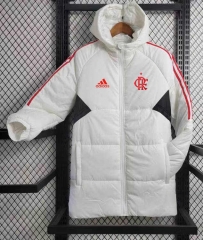
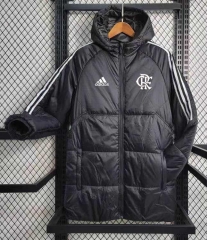
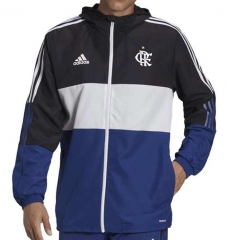
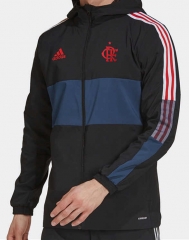
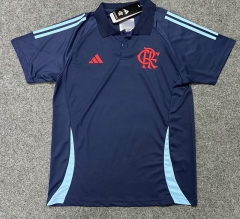
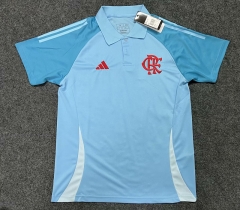
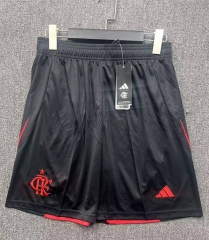
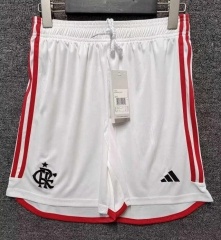
Flamengo
Founded on November 17, 1895, Clube de Regatas do Flamengo began not as a football club but as a rowing team. Situated in the picturesque neighborhood of Flamengo, Rio de Janeiro, the group of young rowers sought to represent their city’s energy and spirit.
Football only arrived in 1911, when a group of dissatisfied players left Fluminense FC to join the club—and from that moment, Flamengo’s destiny changed forever. What started as a local sporting group would soon become a national passion.
The team’s colors—red and black—symbolize strength and courage. Over time, they came to represent not only Rio de Janeiro but also the collective heartbeat of millions of Brazilians who found identity and joy in the beautiful game.
From Local Heroes to Global Champions
Flamengo’s rise in Brazilian football was not overnight. The early decades were built on grit and rivalry, particularly with Fluminense and Vasco da Gama, creating some of the fiercest derbies in South America.
By the late 1970s and early 1980s, however, Flamengo became a powerhouse, marking the golden era of the club.
Led by the legendary Zico, alongside stars like Junior, Leandro, Adílio, and Nunes, Flamengo conquered Brazil and the world. The team’s blend of technique, intelligence, and artistry made them unstoppable.
Historic Milestones
Campeonato Brasileiro Série A Titles: Multiple wins, including 1980, 1982, 1983, 1992, 2009, 2019, and 2020.
Copa do Brasil: National cup victories that showcased their depth and consistency.
Copa Libertadores Titles: 1981, 2019, and 2022—affirming their continental dominance.
Intercontinental Cup (1981): Defeating Liverpool 3–0, Flamengo earned its place in world football history.
These triumphs turned Flamengo into more than a club; they made it a symbol of Brazilian excellence.
Maracanã: Where Dreams and Drums Collide
There is no Flamengo without Maracanã Stadium. Known as the “Temple of Football,” it’s more than a venue—it’s a sacred ground.
Every matchday, more than 60,000 fans transform the arena into a sea of red and black, filling the air with chants, drums, and fireworks. The famous cry of “Mengo! Mengo!” echoes through the city, blending with samba rhythms and the pulse of Rio’s heartbeat.
To witness Flamengo play at Maracanã is to experience football as emotion, culture, and religion combined. The stadium has hosted countless historic moments—from Zico’s magic to Gabigol’s Libertadores-winning goals—and remains the stage where legends are born.
Icons and Modern Stars: The Flame Never Dies
Flamengo’s legacy is carried by generations of football legends.
Zico – The Eternal Idol
Nicknamed “The White Pelé,” Zico remains Flamengo’s all-time top scorer and one of Brazil’s most beloved figures. His vision, technique, and leadership elevated the club to international fame.
For Flamengo fans, Zico is not just a player-he’s a symbol of eternal excellence.
Gabriel Barbosa (Gabigol) -The Modern Hero
Fast-forward to 2019, when Gabigol scored two late goals in the Copa Libertadores final against River Plate, turning defeat into victory within minutes. That night reignited the club’s global flame and restored Flamengo to the top of South America.
Other Great Names
From Adriano “Imperador”, Petković, and Bruno Henrique to rising young talents like Matheus França and Wesley, Flamengo continues to blend experience with youthful creativity, ensuring that the flame never fades.
The Flamengo Way: Style, Structure, and Spirit
Flamengo’s football identity is defined by a balance of creativity and control.
While the club is known for its attacking flair—quick passing, skillful dribbles, and confident finishing—it also emphasizes discipline, tactical adaptability, and teamwork.
The Ninho do Urubu training center, one of the most advanced in Brazil, reflects this philosophy. It focuses not only on athletic performance but also on character development, preparing young players to represent the club’s values: courage, unity, and pride.
This combination of artistry and structure has kept Flamengo competitive in the modern era of global football.
Fan Culture: More Than Support, It’s a Religion
Flamengo’s supporters, known as Flamenguistas, form one of the largest fan bases in the world, with an estimated 40+ million fans across Brazil and beyond.
Their devotion transcends geography, class, and background—uniting people through the colors of red and black.
Matchdays are celebrations filled with music, samba, and passion. Fans arrive hours before kickoff, waving banners, lighting flares, and singing timeless anthems. For them, Flamengo is not just a team—it’s family.
Even in tough times, the motto echoes loudly:“Uma vez Flamengo, sempre Flamengo.”
Once Flamengo, always Flamengo.
Flamengo Jerseys: The Fabric of Identity
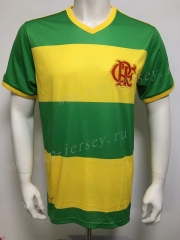
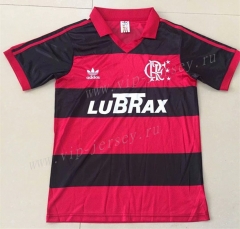
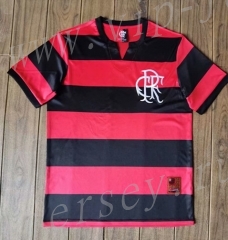
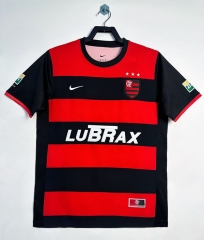
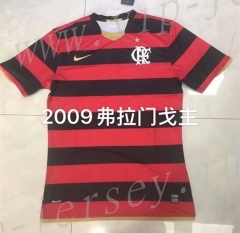
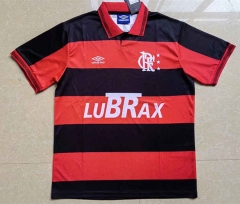
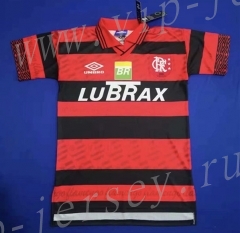
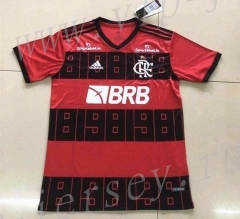
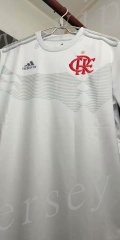
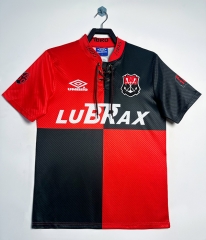
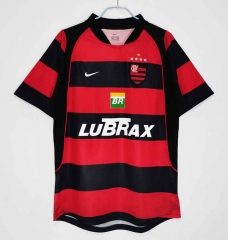
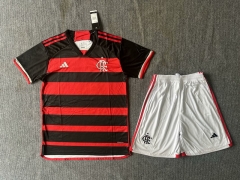
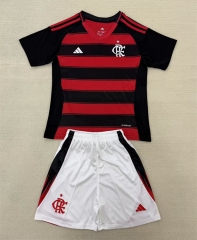
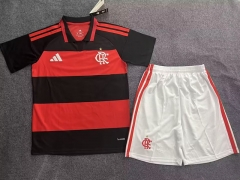
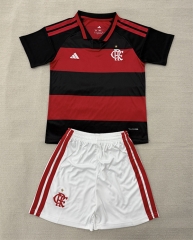
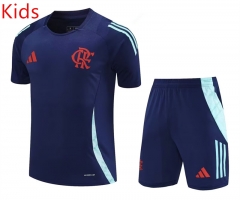
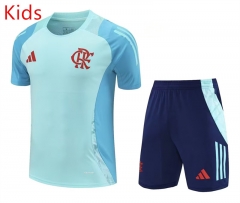
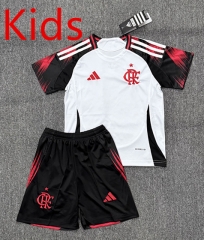
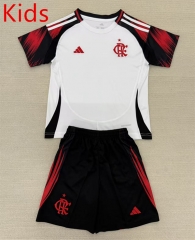
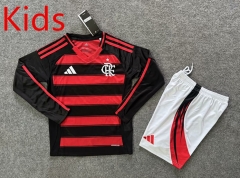
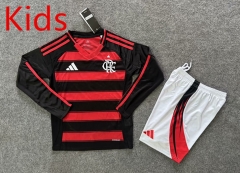
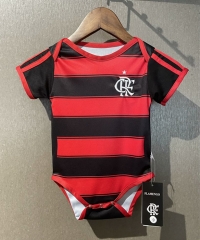
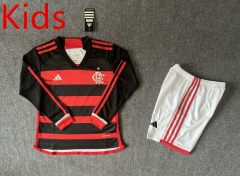
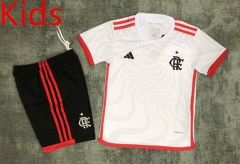
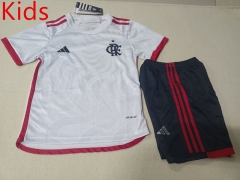
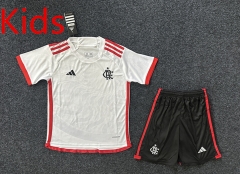
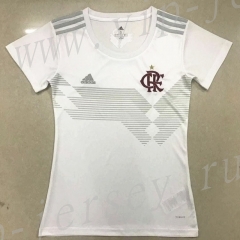
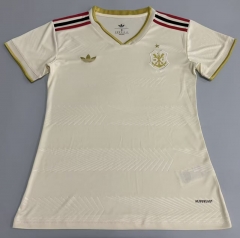
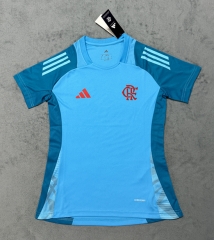
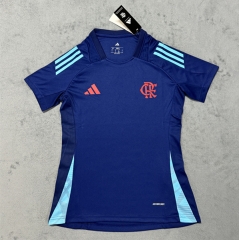
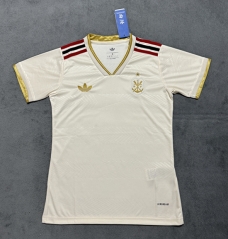
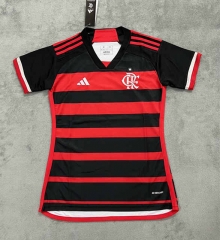
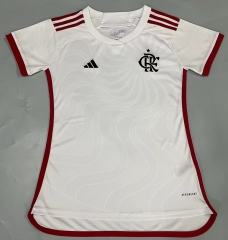
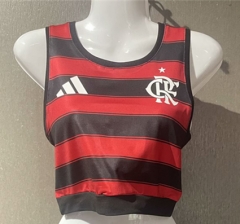
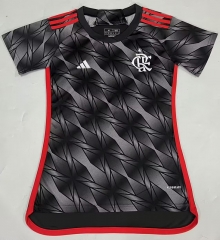
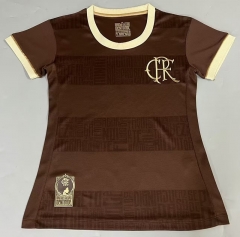
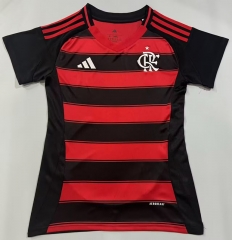
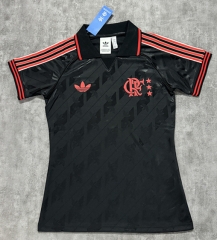
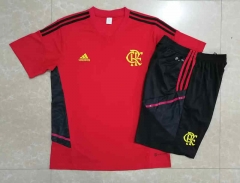
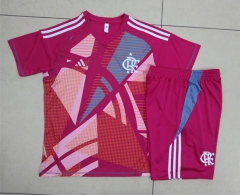
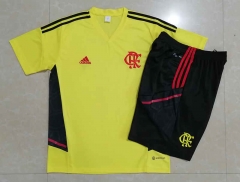
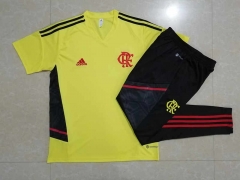
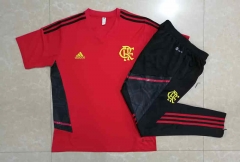
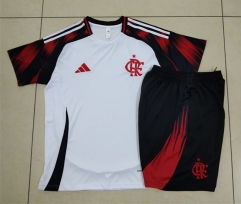
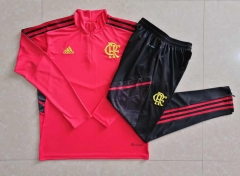
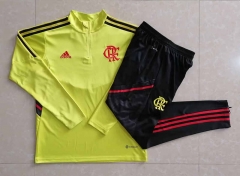
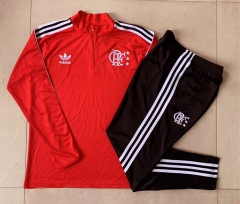
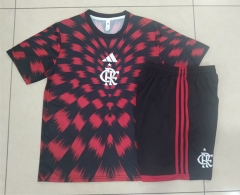
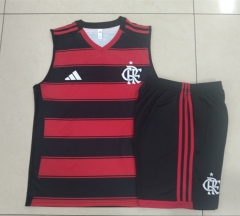
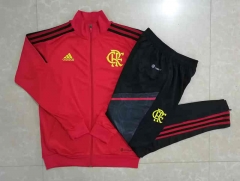
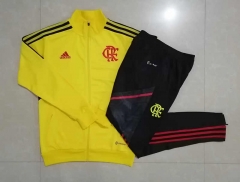
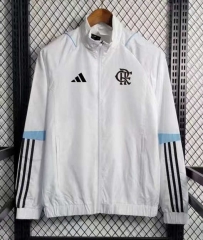
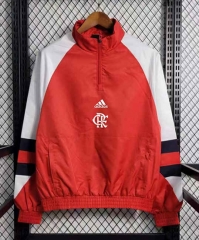
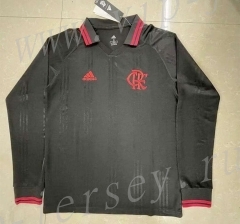
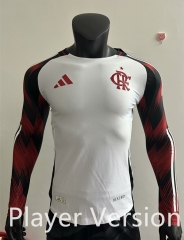
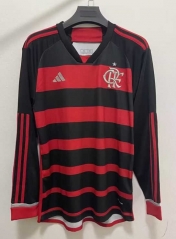
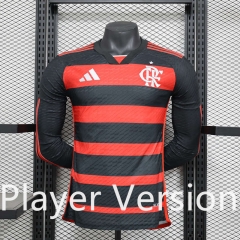
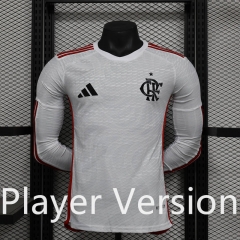
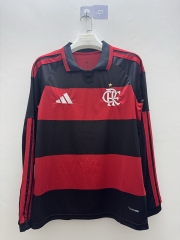
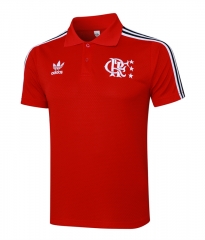
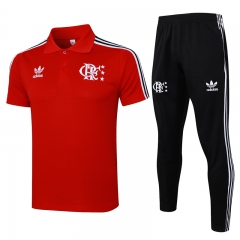
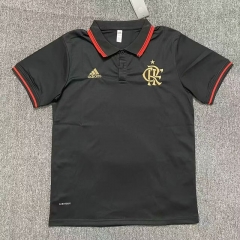
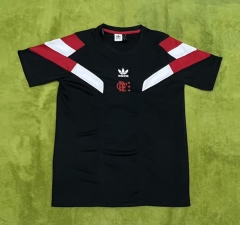
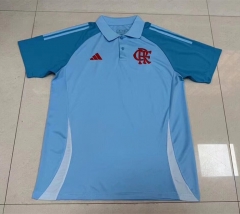
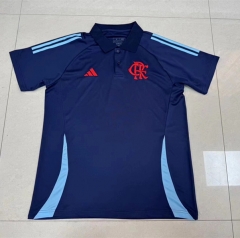
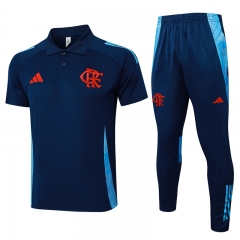
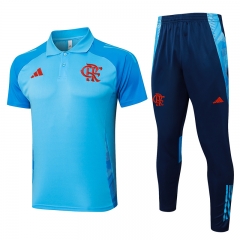
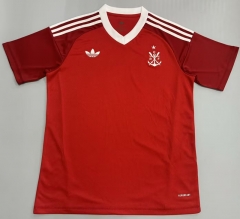
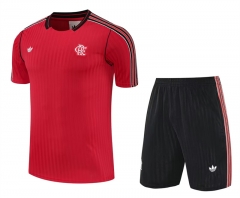
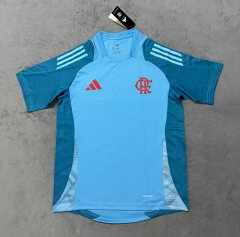
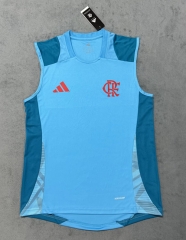
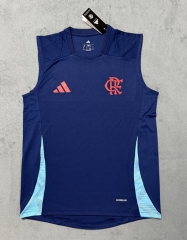
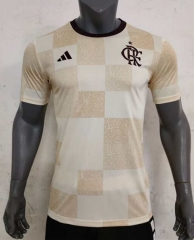
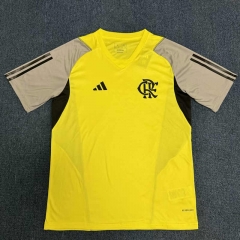
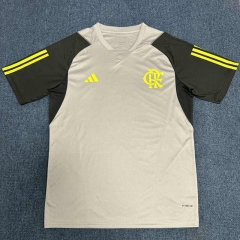
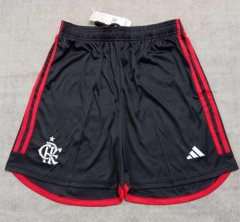
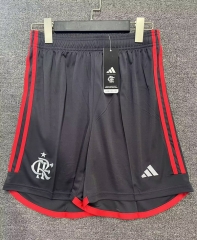
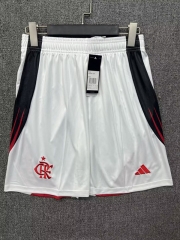
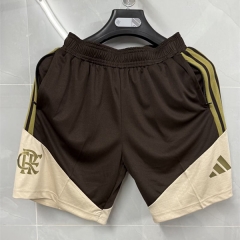
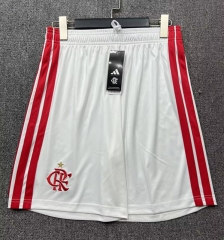
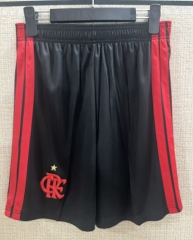
The Flamengo jersey is instantly recognizable worldwide. The bold red-and-black horizontal stripes embody strength and unity, while the CRF crest over the heart symbolizes pride and tradition.
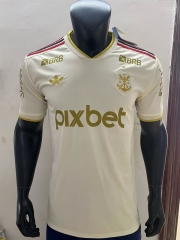
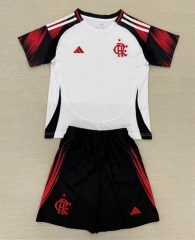
Over the decades, the shirt has evolved—from the classic cotton designs of the 1970s to today’s lightweight, performance-focused kits—but the essence remains untouched.
Fans wear the Flamengo jersey not just to show support, but to express belonging.
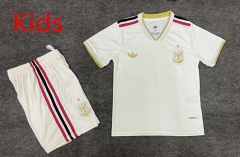
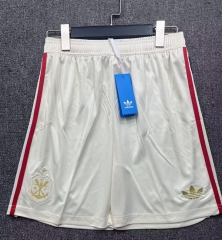
Each version tells a story—whether it’s the retro 1981 kit that recalls Zico’s glory, or the modern editions worn by Gabigol and Bruno Henrique. For many, the jersey is as sacred as the Maracanã turf itself.
The sight of thousands wearing the same colors creates a visual symphony of loyalty, emotion, and national pride.
Rivalries and Pride: The Battles That Define the Flame
Flamengo’s fierce rivalries are integral to its identity.
The Fla-Flu derby against Fluminense, born from betrayal in 1911, remains one of Brazil’s most storied fixtures. Meanwhile, clashes with Vasco da Gama and Botafogo ignite Rio’s football scene, each encounter charged with emotion and pride.
These rivalries go beyond sport—they’re cultural events that shape the identity of Rio’s communities and preserve the spirit of Brazilian football rivalry at its best.
Modern Ambitions and Global Reach
In recent years, Flamengo has emerged as a financial and sporting model in South America. With solid management, record sponsorships, and consistent investments in talent, the club stands as an example of how tradition and modern professionalism can coexist.
Flamengo’s growing international presence—from global fan clubs to international tours—reflects the worldwide fascination with its brand of football: skillful, emotional, and relentless.
The club’s digital strategy and massive social media following have also turned it into one of the most influential football brands in the southern hemisphere.
The Eternal Flame of Brazil
More than 125 years since its founding, Flamengo remains an enduring symbol of Brazilian pride.
From the beaches of Rio to stadiums across the world, the flame burns bright—carried by generations of players and fans who keep its story alive.
Every goal, every chant, every jersey worn tells a piece of the same truth: Flamengo is not just a football club.
It is a culture, an identity, and an undying flame.
 USD
USD EUR
EUR GBP
GBP CAD
CAD AUD
AUD JPY
JPY