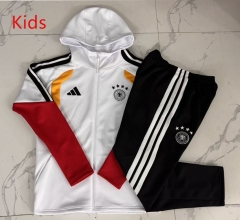
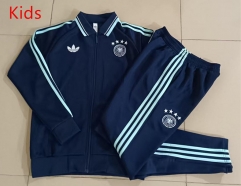
Germany
The Germany National Football Team, affectionately known as Die Mannschaft, is one of the most successful and revered teams in international football. With a history spanning more than a century, Germany has become synonymous with discipline, tactical brilliance, and unwavering passion. From historic triumphs on the world stage to a deeply loyal fanbase, Germany continues to shape global football culture while inspiring generations of fans and players alike.
A Rich History of German Football
The roots of German football can be traced back to the early 20th century, with the national team officially forming in 1908. Early years were marked by learning experiences on the international stage, but Germany gradually established itself as a competitive force.
The post-war period heralded a remarkable resurgence, culminating in the legendary 1954 FIFA World Cup victory, famously called the “Miracle of Bern.” This unexpected triumph lifted the spirits of a recovering nation and set the stage for decades of football excellence.
Germany has claimed the FIFA World Cup four times (1954, 1974, 1990, 2014) and finished as runners-up on four occasions, demonstrating remarkable consistency. In the UEFA European Championship, Germany has lifted the trophy three times (1972, 1980, 1996), showcasing dominance in continental competitions as well. Over the decades, the team’s style evolved from physically strong, disciplined play to a sophisticated, possession-oriented approach, reflecting broader changes in modern football tactics.
Legendary Players Across Generations
Germany’s history is rich with iconic players who have left a lasting mark on world football. Legends like Franz Beckenbauer, often referred to as “Der Kaiser,” redefined the role of a sweeper and brought elegance to German defensive play. Gerd Müller, a prolific striker, became one of the most feared goal scorers of his era, while Lothar Matthäus showcased versatility, stamina, and leadership across multiple World Cups.
In the modern era, players such as Manuel Neuer, Joshua Kimmich, Thomas Müller, and Serge Gnabry continue to embody German precision and innovation. Neuer revolutionized goalkeeping with his “sweeper-keeper” style, while Kimmich and Müller bring tactical intelligence and versatility that allows Germany to adapt fluidly to any opponent. Rising talents like Jamal Musiala and Florian Wirtz hint at a bright future, ensuring Germany’s continued presence among football elites.
The influence of these players goes beyond technical skills—they represent the disciplined, team-first ethos that has become synonymous with German football.
Playing Style and Tactical Philosophy
Germany’s playing style has always combined efficiency with tactical sophistication. Historically, the team emphasized physical endurance, organized defense, and clinical finishing. The 1970s and 1980s showcased a balanced blend of defensive resilience and attacking prowess, while the 2014 World Cup-winning squad introduced a high-pressing, possession-oriented style that emphasized fluidity and adaptability.
Modern formations often include 4-2-3-1, 3-4-3, and other versatile setups, allowing for dynamic transitions between defense and attack. German teams are known for their team cohesion, where every player understands positional responsibilities and executes strategies with precision. Notable matches, such as the 7–1 demolition of Brazil in the 2014 World Cup semifinals, highlight Germany’s ability to combine tactical discipline with explosive attacking moments.
Competitions and Achievements in Depth
Germany has been a perennial powerhouse in international competitions:
FIFA World Cup: Champions in 1954, 1974, 1990, and 2014. Germany’s consistent appearances in quarterfinals and semifinals demonstrate unparalleled consistency.
UEFA European Championship: Winners in 1972, 1980, and 1996, with strong showings in other tournaments.
UEFA Nations League: A newer competition where Germany continues to test tactical innovation and squad depth.
Olympic Football: Historically, Germany has participated with notable success in pre-professional eras, contributing to youth development.
Beyond trophies, Germany holds numerous records, including consecutive World Cup appearances since 1954 and an enduring reputation for producing disciplined, adaptable teams.
Germany Football Culture and Fanbase
Football in Germany transcends the pitch—it is a cultural phenomenon. Fans celebrate matches nationwide with flags, chants, and traditional colors, creating an electrifying atmosphere in stadiums and public viewing areas. Iconic venues like the Allianz Arena in Munich and the Olympiastadion in Berlin serve as temples of football, where historic moments come alive.
Organized fan clubs, supporter groups, and global online communities further amplify Germany’s reach. Social media platforms are filled with match analysis, fan discussions, and celebrations, connecting supporters across continents. Football unites diverse communities, making the team a symbol of national pride and collective identity.
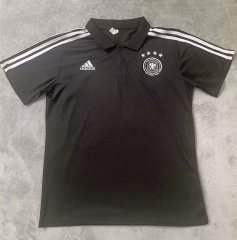
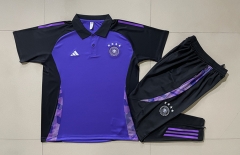
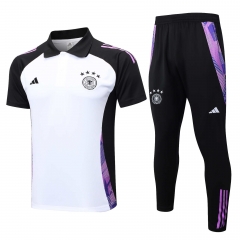
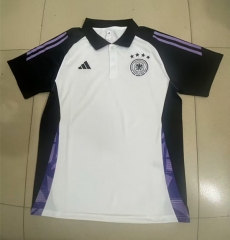
Germany Jerseys and Fan Apparel
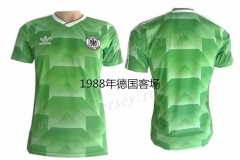
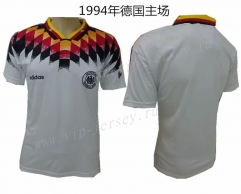
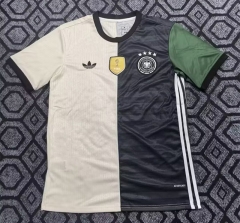
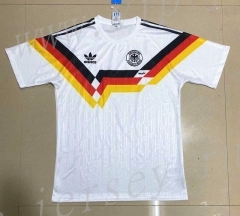
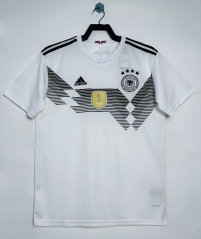
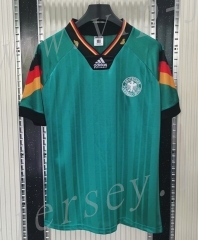
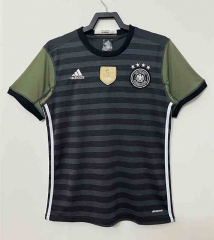
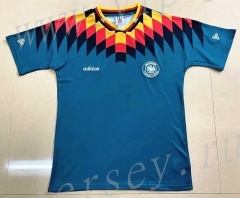
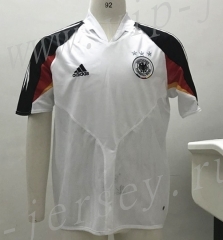
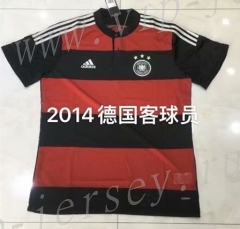
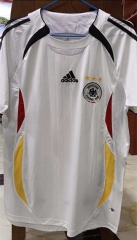
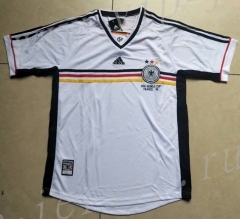
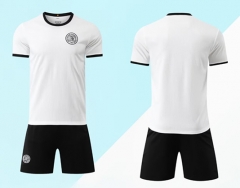
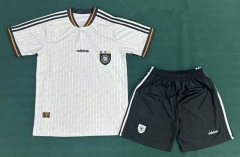
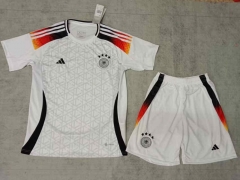
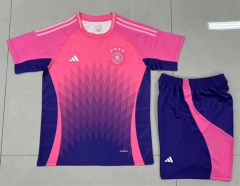
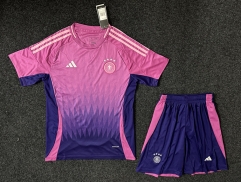
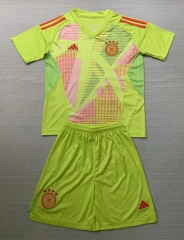
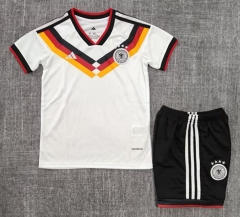
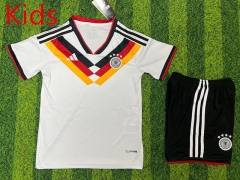
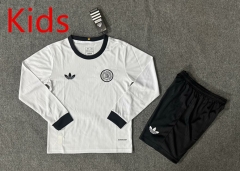
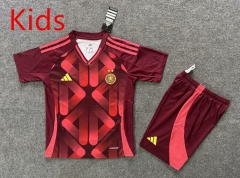
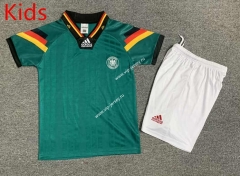
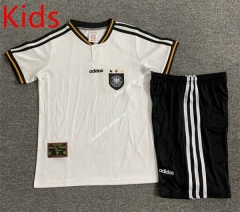
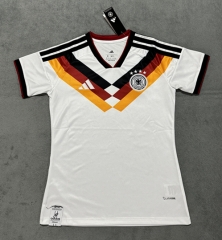
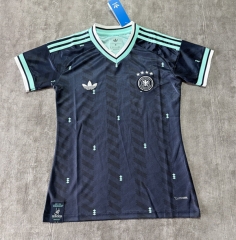
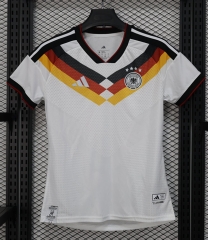
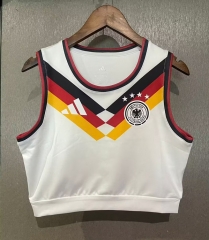
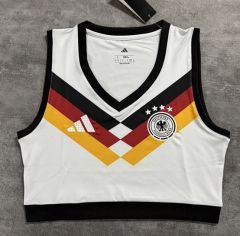
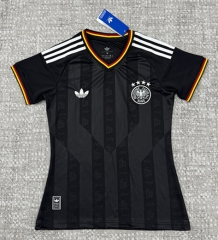
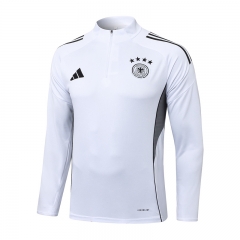
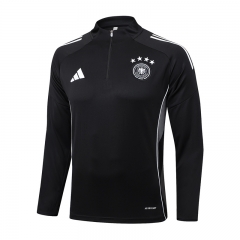
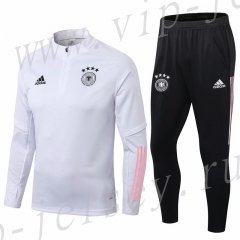
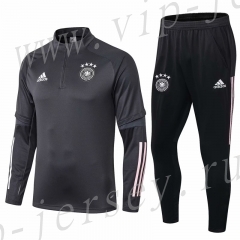
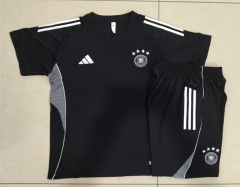
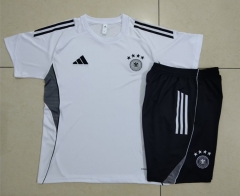
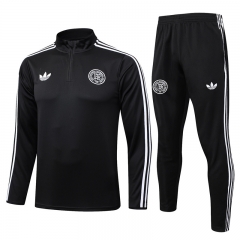
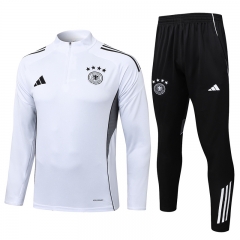
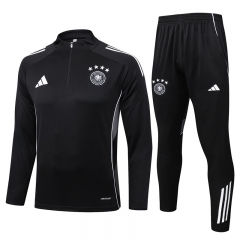
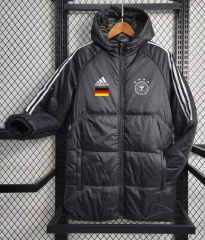
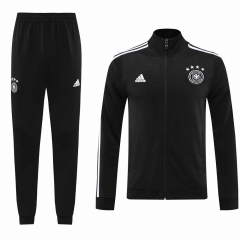
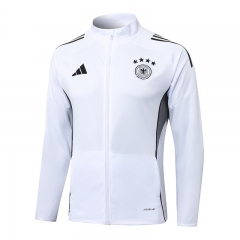
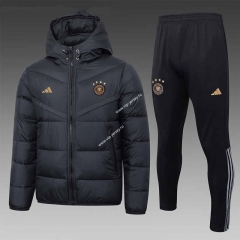
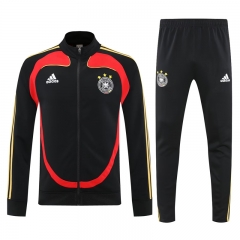
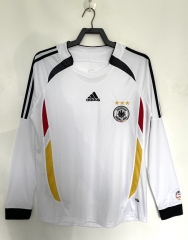
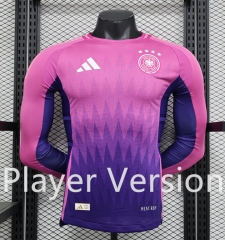
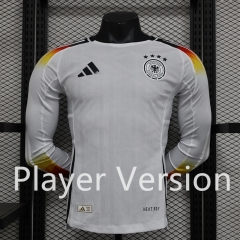
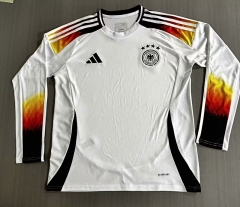
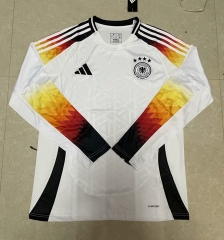
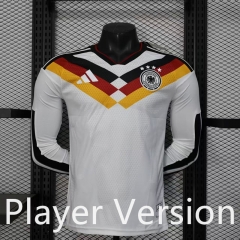
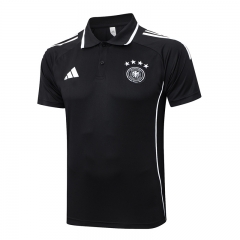
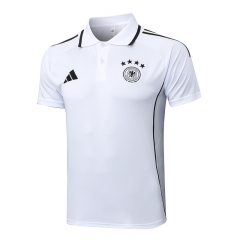
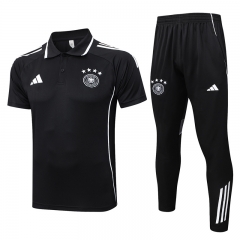
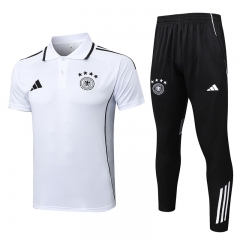
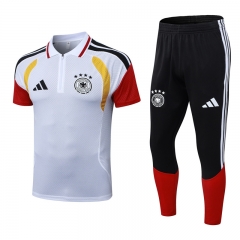
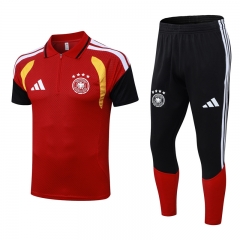
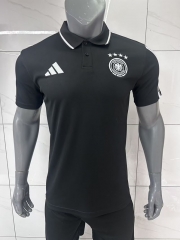
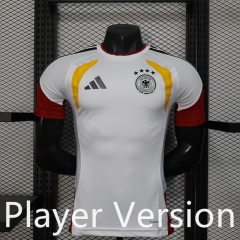
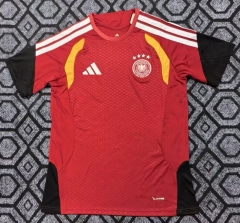
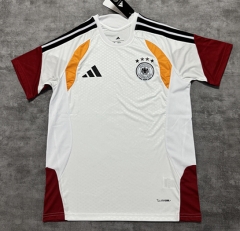
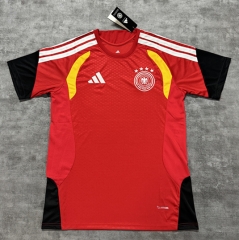
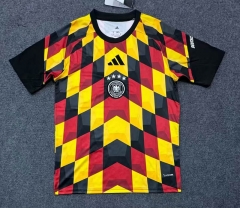
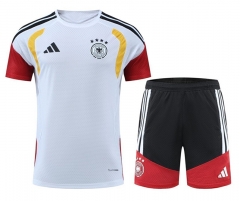
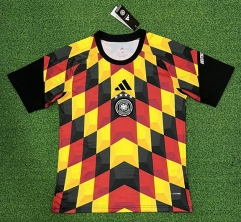
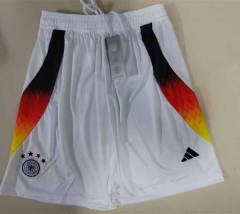
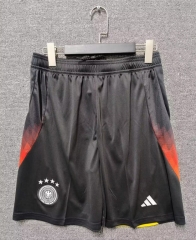
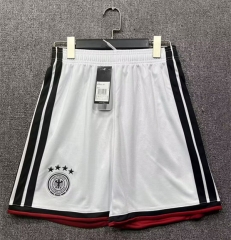
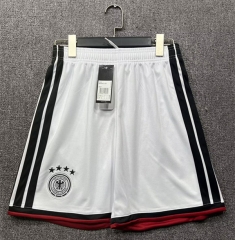
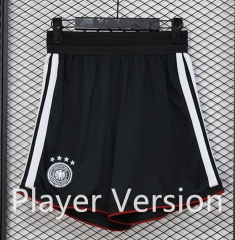
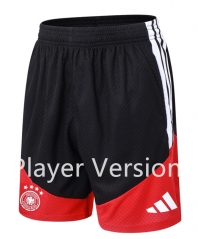
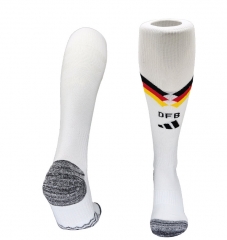
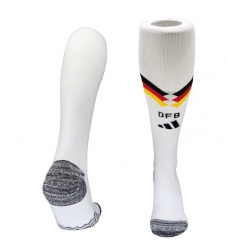
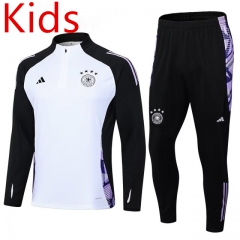
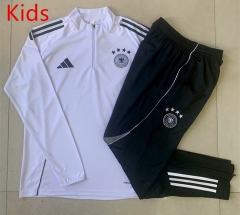
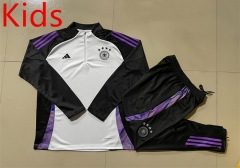
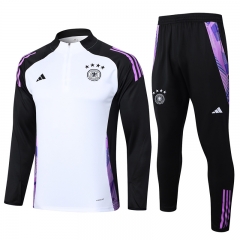
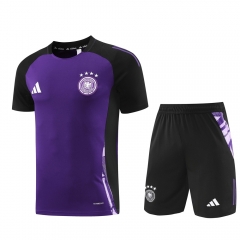
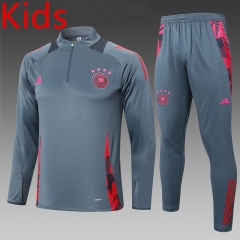
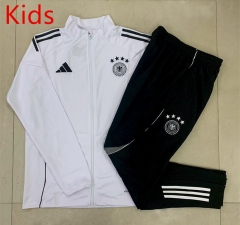
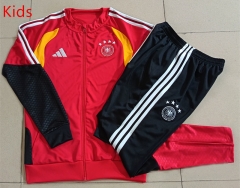
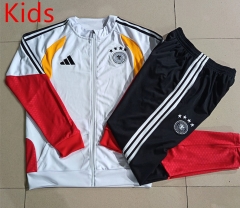
The national jersey is more than just clothing—it is a symbol of pride, history, and unity. Over the decades, Germany’s jerseys have evolved from simple white and black kits to modern designs featuring bold accents, reflective of the team’s identity. The colors—white, black, and red—carry historical and cultural significance, making them instantly recognizable worldwide.
Wearing these shirts allows supporters to feel part of the team, express allegiance, and celebrate shared victories. From casual streetwear to matchday attire, jerseys act as a cultural bridge between Germany’s footballing legacy and its global fanbase.
Youth Development and Football Academies
Germany’s sustained success is rooted in meticulous youth development. The Deutscher Fußball-Bund (DFB) has established structured programs emphasizing technical skills, tactical awareness, and mental resilience. Local club academies complement these efforts, creating a continuous talent pipeline for both domestic leagues and the national team.
Training focuses on holistic development, encouraging young players to understand multiple positions, tactical variations, and game intelligence. Many modern stars, such as Kimmich and Musiala, emerged from these programs, highlighting the effectiveness of Germany’s investment in youth development.
Coaching Legends and Their Impact
Coaches have played a pivotal role in shaping Germany’s football identity. Sepp Herberger, the mastermind behind the 1954 World Cup triumph, emphasized preparation, strategy, and psychological resilience. Franz Beckenbauer, bridging the player-coach era, influenced defensive and tactical thinking.
In contemporary football, Joachim Löw and Hansi Flick have continued this legacy. Löw led Germany to 2014 World Cup glory with an innovative, possession-based approach, while Flick focuses on youth integration and tactical flexibility. German coaching philosophy combines discipline, intelligence, and adaptability, setting global standards for training and match preparation.
Germany National Team in Modern Football
Today, the Germany national team remains highly competitive on the global stage. Key players balance experience and youth, ensuring continuity while embracing innovation. Germany’s rivalries with teams like the Netherlands, France, Italy, and Argentina produce high-stakes, memorable encounters that excite fans worldwide.
Adapting to modern trends such as high-pressing, data-driven analytics, and rapid tactical transitions, Germany maintains a reputation for strategic excellence. With emerging talents ready to rise, the future looks promising for Die Mannschaft in upcoming tournaments, including the FIFA World Cup and UEFA competitions.
Football as a Reflection of German Society
Football in Germany reflects broader societal values—unity, resilience, and diversity. Multicultural players contribute to a national identity that celebrates inclusion and teamwork. Community programs and educational initiatives leverage football to teach discipline, leadership, and social responsibility.
Globally, German football is admired not only for skill but also for its cultural significance. It embodies a model where sport strengthens social cohesion, promotes diversity, and inspires future generations both domestically and internationally.
Conclusion: Legacy, Pride, and Global Impact
The Germany National Football Team stands as a symbol of excellence, discipline, and cultural pride. From historic World Cup victories to modern tactical innovations, Germany has consistently demonstrated its footballing prowess. The passion of its fans, the brilliance of its players, and the strategic insight of its coaches create a legacy that transcends the sport.
Wearing Germany-inspired jerseys, celebrating iconic matches, and supporting the team worldwide allows fans to connect with this enduring tradition. Die Mannschaft is not just a team—it is a global institution that continues to inspire, unite, and define what football means to millions of people around the world.
 USD
USD EUR
EUR GBP
GBP CAD
CAD AUD
AUD JPY
JPY