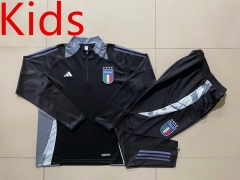
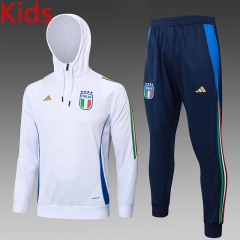
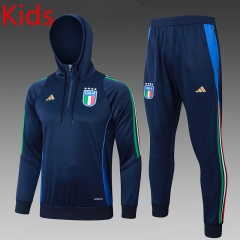
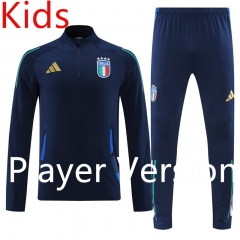
Italy
Italy’s national football team, famously known as Gli Azzurri, is one of the most celebrated teams in the history of football. Renowned for their tactical brilliance, disciplined defense, and creative attacking play, Italy has cultivated a legacy that transcends the sport itself. The team’s iconic blue jersey, legendary players, and devoted fanbase make Italian football a symbol of national pride and passion. Beyond the pitch, Italy’s football culture influences fashion, social gatherings, and even the identity of Italian communities worldwide.
Historical Overview
The Italian national team has a rich history that dates back to its first official match in 1910 against France. Early on, Italy established itself as a competitive force in European football. The team’s greatest achievements include winning the FIFA World Cup four times (1934, 1938, 1982, 2006), demonstrating resilience, strategy, and individual talent. Italy’s victories are often remembered not just for the trophies, but for the memorable moments and legendary performances that define eras.
During the 1934 and 1938 World Cups, Italy, under coach Vittorio Pozzo, showcased disciplined tactical approaches that earned them back-to-back titles. The 1982 World Cup saw Paolo Rossi rise to stardom, leading Italy to glory with a mix of individual skill and team cohesion. In 2006, under Marcello Lippi, Italy combined experienced leadership and emerging talent to win its fourth World Cup in a dramatic final against France, remembered globally for its intensity and skill.
Playing Style and Tactics
Italy’s tactical identity has long been defined by catenaccio, a defensive system that emphasizes organization, anticipation, and strategic counter-attacks. While critics have sometimes called Italian football overly defensive, the system has proven its effectiveness in high-stakes matches. Over the decades, Italy has evolved to incorporate more attacking creativity while maintaining defensive strength. Modern Italian teams balance tactical discipline with dynamic forward play, highlighting the adaptability that has allowed Italy to remain competitive across generations.
Italian coaches such as Arrigo Sacchi and Cesare Prandelli brought innovative approaches to the game, blending tradition with modern football strategies. Sacchi’s focus on pressing and collective movement influenced not just Italy but football globally, while Prandelli emphasized teamwork and flexibility, creating squads capable of both strong defense and versatile attack.
Iconic Jerseys and Fan Culture
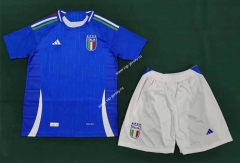
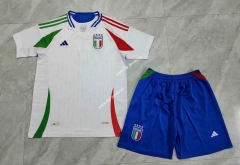
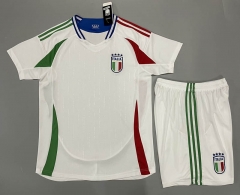
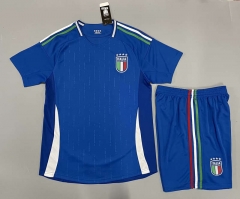
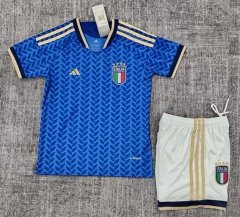
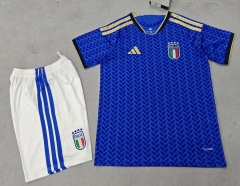
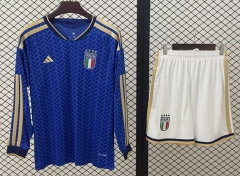
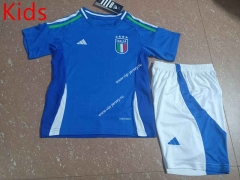
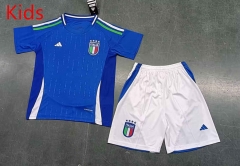
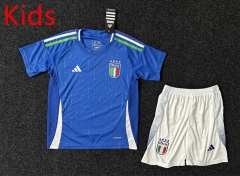
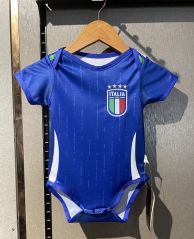
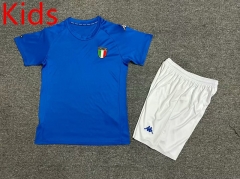
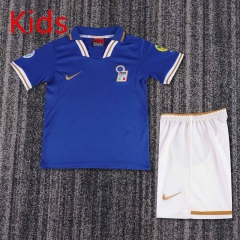
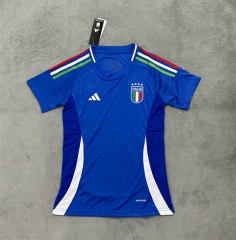
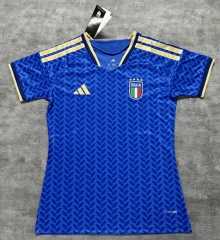
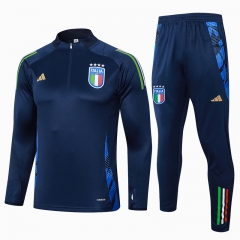
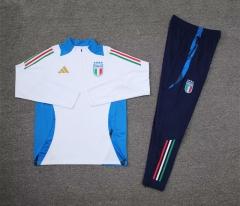
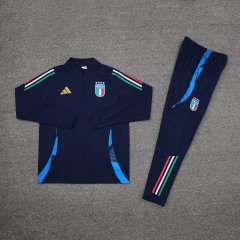
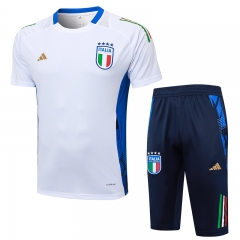
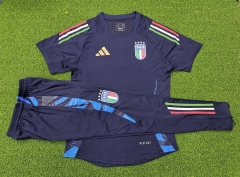
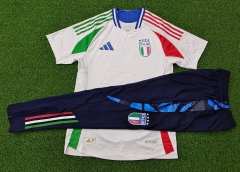
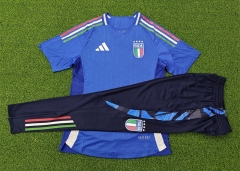
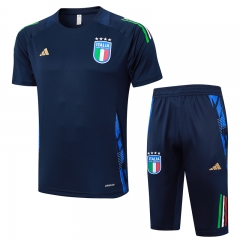
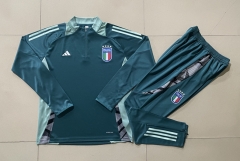
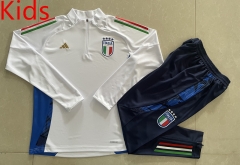
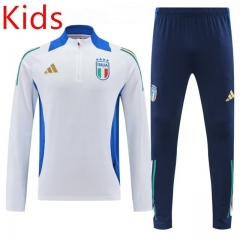
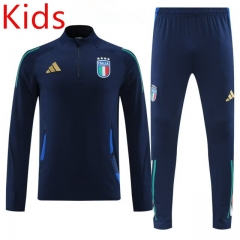
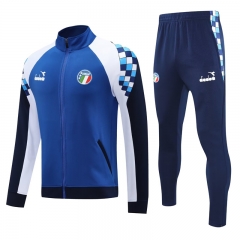
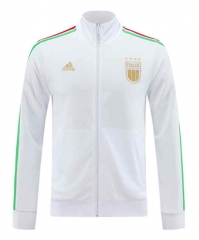
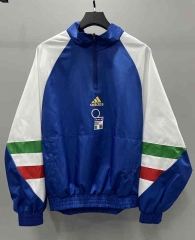
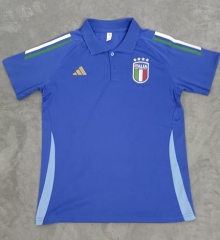
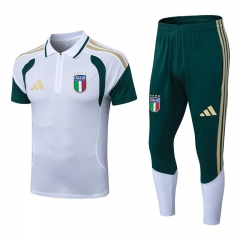
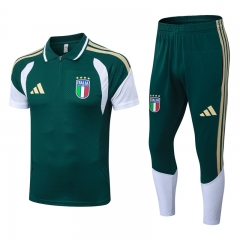
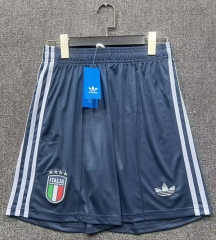
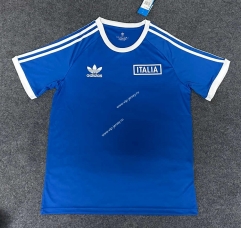
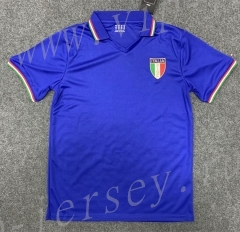
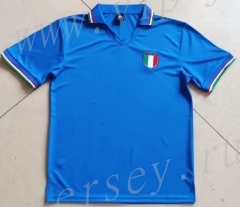
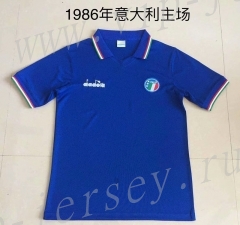
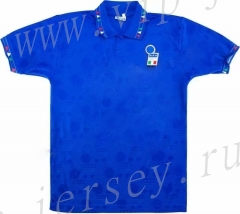
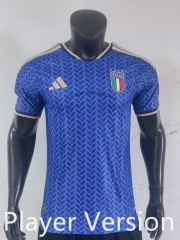
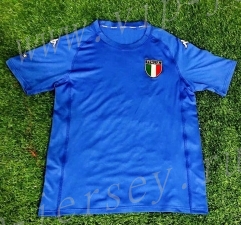
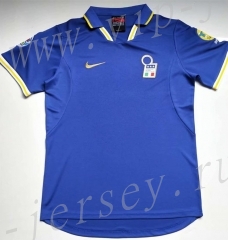
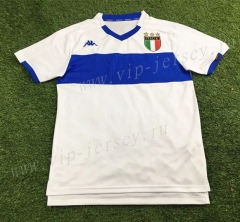
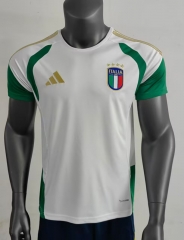
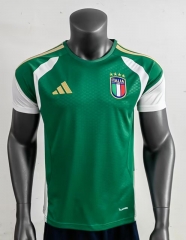
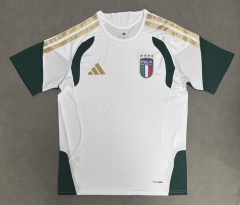
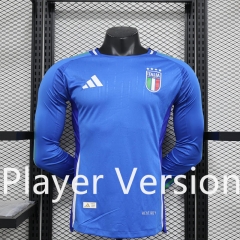
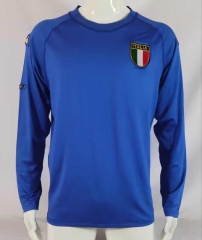
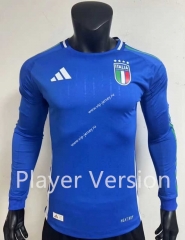
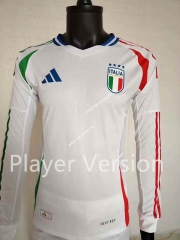
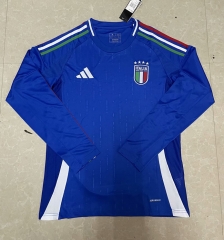
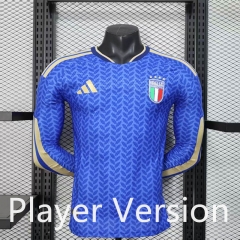
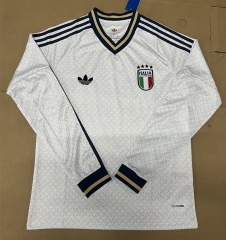
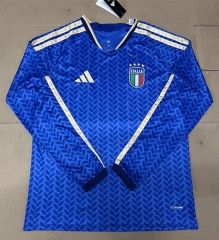
The Azzurri blue jersey is more than just a piece of sportswear; it symbolizes Italian heritage, unity, and pride. For fans, wearing the jersey is a statement of identity and allegiance. Italian supporters are known worldwide for their loyalty and passion, filling stadiums with chants, drums, and vibrant displays of support. Social media communities and fan clubs further amplify this passion, connecting Italian football enthusiasts around the globe.
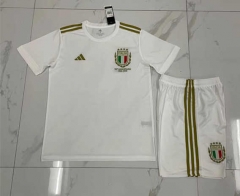
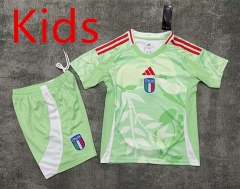
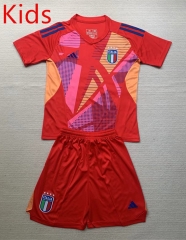
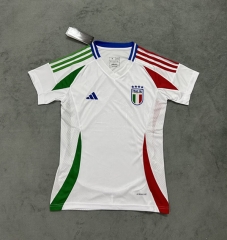
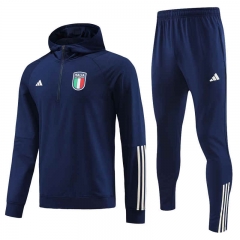
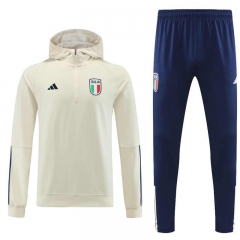
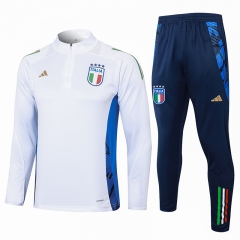
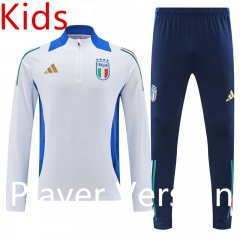
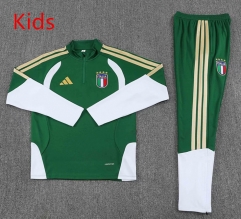
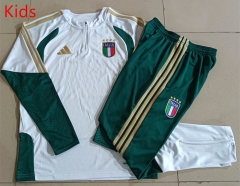
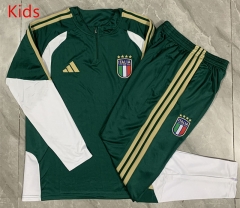
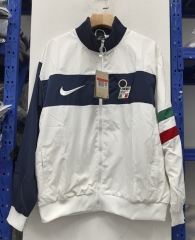
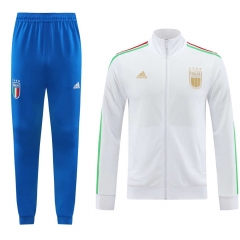
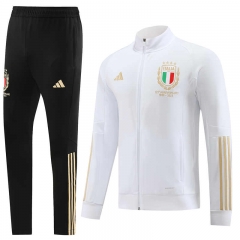
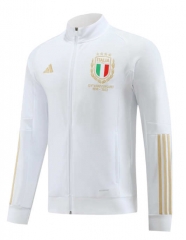
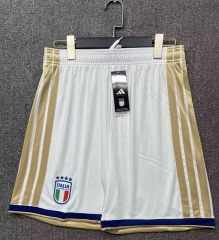
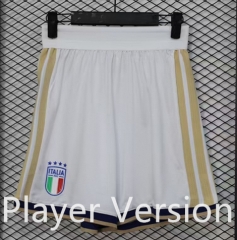
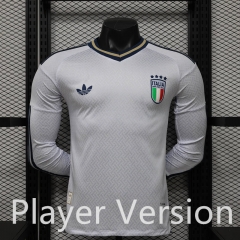
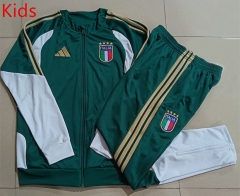
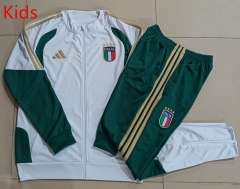
The design of the Italian jersey often reflects national symbols, historical motifs, or innovative stylistic choices, making it a coveted item for collectors and fans alike. Over the years, Italy’s jersey has become a fashion statement beyond the sport, influencing streetwear, casual apparel, and merchandise trends. Fans eagerly purchase the latest versions during international tournaments, proudly displaying their support in stadiums and public events.
Legendary Players and Emerging Talents
Italy has produced a remarkable lineup of legendary players who shaped the team’s identity. Paolo Maldini, with his defensive mastery, remains one of the greatest defenders in football history. Roberto Baggio’s creativity and flair inspired a generation, while Francesco Totti’s vision and technical skills symbolized loyalty and artistry on the field.
Today, Italy continues to nurture world-class talent. Players like Gianluigi Donnarumma, Marco Verratti, and Nicolò Barella represent the modern era, combining skill, tactical understanding, and resilience. Additionally, emerging young talents are stepping onto the international stage, promising a new generation of Azzurri stars ready to carry forward Italy’s legacy.
Major Tournaments and Achievements
Italy’s performance in international tournaments highlights their consistency and competitive spirit. Some notable achievements include:
FIFA World Cup: Champions in 1934, 1938, 1982, and 2006.
UEFA European Championship: Winners in 1968 and 2020, with memorable finals and tactical mastery.
UEFA Nations League: Italy achieved a third-place finish in the 2021–22 edition, showcasing adaptability in a new competitive format.
Italy’s ability to perform under pressure has produced unforgettable matches, from dramatic penalty shootouts to tactical masterpieces that leave a lasting impact on football fans globally.
Fan Experience and Community
Italian fans are integral to the team’s identity. Whether in packed stadiums or watching from home, supporters bring unmatched energy and emotion. The streets of Italian cities light up during major tournaments, with fans wearing blue jerseys, waving flags, and singing traditional chants. Public viewing events, fan marches, and social media interactions further strengthen the communal bond.
Collecting jerseys, scarves, and memorabilia is a key aspect of fan culture. Many fans celebrate victories with unique traditions, including singing club-specific songs, hosting themed gatherings, or engaging in friendly rivalries with supporters of other national teams. Italian fan culture embodies pride, creativity, and unity, making the experience of following the Azzurri both personal and communal.
Italy’s Football Legacy Beyond the Pitch
Italy’s influence in football extends far beyond national borders. Italian tactics, coaching philosophy, and player development programs have inspired clubs worldwide. The national team has contributed to the global football narrative, setting benchmarks for strategic planning, player management, and fan engagement.
Furthermore, Italy’s jerseys, memorabilia, and media presence contribute to global sports culture. Fans from countries far from Italy adopt the blue jersey, celebrate Italian victories, and follow Azzurri news, highlighting the team’s universal appeal.
Conclusion
The Italy National Football Team is a symbol of tactical excellence, rich heritage, and passionate support. From legendary World Cup victories to modern tournaments, from iconic jerseys to a devoted fanbase, Italy continues to inspire admiration worldwide. For fans, wearing the Azzurri blue is more than showing support-it is participating in a tradition that celebrates skill, teamwork, and national pride. Italy’s football story is not just about the game; it is a cultural phenomenon, a historical journey, and a testament to the enduring power of football to unite people across generations.
 USD
USD EUR
EUR GBP
GBP CAD
CAD AUD
AUD JPY
JPY